


Holistic Health: The Complete Guide

Here's something that might surprise you: more sleep doesn't automatically mean better sleep. You could spend nine hours in bed and still wake up feeling like you got hit by a truck. That gap between time asleep and actual recovery is exactly why so many people are asking what is sleep optimization. And the answer goes way beyond the old "just get eight hours" line your doctor tossed out.
Sleep optimization is the deliberate, science-backed process of improving the quality, timing, and structure of your rest. Not just its length. It pulls from chronobiology, neuroscience, environmental design, and behavioral psychology to help your body do what it's supposed to do every night: repair tissue, consolidate memories, flush metabolic waste, and regulate hormones.
I've spent a lot of time reading the research on this, and honestly, the distance between what most people do for their sleep and what the science actually supports is staggering. We're surrounded by things designed to wreck our circadian rhythms. Screens everywhere. Irregular schedules. Light pollution. Chronic stress. It's a lot working against you.
But that's also why understanding what is sleep optimization gives you a real edge. Once you know how your sleep architecture works and what disrupts it, you can make targeted changes instead of just hoping tonight's the night you finally feel rested. This guide covers the biology, the environment, the protocols, and the common traps people fall into. Let's get into it.
Sleep optimization isn't about sleeping more. It's about aligning your biology, your environment, and your habits so that every hour of rest actually does what it's supposed to do: rebuild, restore, and protect your brain and body for the long haul.
- Sleep optimization goes far beyond basic sleep hygiene by targeting circadian alignment, sleep architecture, environment design, and personalized data tracking.
- Deep sleep is when your brain's glymphatic system clears metabolic waste, including beta-amyloid linked to Alzheimer's disease.
- Morning sunlight exposure within 60 minutes of waking is one of the most effective free interventions for improving circadian rhythm alignment.
- Bedroom temperature between 60 and 67°F, total darkness, and reduced EMF exposure create the optimal physical environment for restorative sleep.
- Weekend catch-up sleep does not reverse the metabolic damage caused by chronic sleep deprivation during the week.
What Is Sleep Optimization, and How Is It Different from Sleep Hygiene?
Let's clear this up right away, because these terms get tossed around like they mean the same thing. They don't. Sleep hygiene is a set of basic habits: skip the coffee at 9 PM, keep your room dark, go to bed at a consistent time. That's the baseline. Sleep optimization builds on top of it with a much more targeted, data-informed approach to improving every stage of your nightly recovery.
Think of it this way. Sleep hygiene is like knowing you should eat vegetables. Sleep optimization is like designing a meal plan based on your metabolic profile, activity level, and specific nutritional gaps. According to the National Institutes of Health, basic sleep hygiene education alone often fails to resolve chronic sleep issues, which is part of why the field has moved toward more personalized, multi-pillar approaches [1].
The concept of sleep optimization has roots in both clinical sleep medicine and the biohacking movement. Researchers like Dr. Matthew Walker at UC Berkeley and organizations like the American Academy of Sleep Medicine have pushed the conversation well beyond simple hygiene into sleep architecture, chronotype assessment, and circadian rhythm alignment. If you're curious about the broader biohacking world that overlaps with this, our Biohacking: The Complete Guide is a solid starting point.
So when someone asks what is sleep optimization, the short answer is this: it's the practice of systematically improving sleep quality across multiple dimensions, including timing, environment, physiology, and behavior, using evidence-based strategies tailored to your individual biology.
Quick Q&A
Q: Is sleep optimization the same as sleep hygiene?
A: No. Sleep hygiene covers basic habits like limiting caffeine and keeping a dark room, while sleep optimization is a broader, science-based approach that targets circadian alignment, sleep architecture, environment engineering, and personal data tracking.
Why Does Sleep Architecture Matter More Than Total Hours?
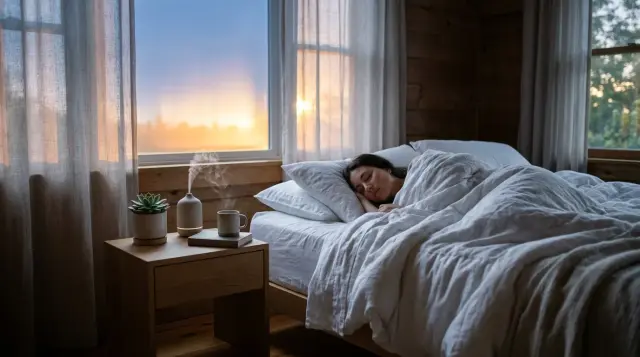
This is where most people get tripped up. They fixate on duration. "I got seven hours." "I slept in until ten." But the internal structure of those hours is what actually determines whether you wake up restored or wrecked. Sleep architecture refers to the cyclical pattern of sleep stages you move through each night: light sleep (stages 1 and 2), deep sleep (stage 3, also called slow-wave sleep), and REM sleep.
Each stage does something different for you. Deep sleep is when your body releases growth hormone, repairs tissue, and strengthens immune function. REM sleep consolidates memories and processes emotions. According to Harvard Medical School, the brain's glymphatic system, a waste-clearance network, operates roughly 60% more efficiently during deep sleep compared to waking hours [2]. So skipping deep sleep stages doesn't just leave you groggy. It literally allows metabolic waste to build up in your brain.
A 2019 study published in Current Biology by researchers at the University of Colorado Boulder showed that weekend "catch-up sleep" does not reverse the metabolic damage caused by chronic short sleep during the week [3]. Participants who tried to compensate on weekends still showed impaired insulin sensitivity and disrupted circadian rhythms. You can't bank rest. Structure matters every single night.
Here's a concrete example. Someone who sleeps six hours but cycles through complete 90-minute sleep cycles with adequate deep sleep and REM often feels better than someone who sleeps eight hours but wakes repeatedly, fragmenting their architecture. If you want to understand more about why your rest might be falling apart, check out Why You Can't Sleep: What the Science Says.
How Does Your Circadian Rhythm Control Sleep Quality?
Your circadian rhythm is a 24-hour internal clock governed by a tiny region of the brain called the suprachiasmatic nucleus, or SCN. It controls when you feel alert, when you feel sleepy, when your body temperature drops, and when melatonin production ramps up. Mess with it, and everything downstream falls apart. Metabolism. Mood. Cognitive function. Even your immune response.
The single most powerful input to your circadian clock is light. Specifically, the timing and spectrum of light hitting your retinas. Morning sunlight exposure (within 30 to 60 minutes of waking) triggers a cortisol pulse that anchors your internal clock. According to the NIH, evening blue light from screens and artificial lighting can suppress melatonin production by up to 50%, which delays sleep onset and compresses the amount of deep sleep you get [1].
Dr. Andrew Huberman at Stanford University has popularized the protocol of getting 10 minutes of direct sunlight exposure within the first hour of waking. Sounds almost too simple, right? But the research backs it up. This single habit has a cascading effect on your entire circadian cycle, improving both how quickly you fall asleep and the quality of your sleep architecture later that night.
Circadian rhythm alignment also means paying attention to when you eat and exercise. A heavy meal within two hours of bedtime forces your digestive system to work when it should be winding down. Intense exercise late at night spikes core body temperature and stress hormones. Both of these sabotage your natural rest window. For a broader look at how these performance factors connect, our guide on Human Performance: What It Is, What Works, What Doesn't covers the full picture.
What Does the Ideal Sleep Environment Actually Look Like?
Your bedroom is either working for you or against you. Most people's bedrooms are actively hostile to quality sleep. Let's break this down by what the research says actually matters.
Temperature comes first. The National Sleep Foundation recommends keeping your bedroom between 60 and 67°F (about 15.5 to 19.5°C). Your core body temperature needs to drop by about 2 to 3 degrees Fahrenheit to initiate sleep. A room that's too warm physically prevents this from happening. If you've ever noticed you sleep terribly in a hot hotel room, now you know why.
Light is the next big one. Total darkness matters. Even small amounts of ambient light, like the glow from a charging indicator or streetlight seeping through curtains, can disrupt melatonin production. A 2022 study from Northwestern University's Feinberg School of Medicine found that sleeping with even moderate light exposure increased heart rate and insulin resistance overnight compared to sleeping in near-total darkness.
Then there's a factor most people completely overlook: electromagnetic fields. Your bedroom is probably filled with devices emitting low-level EMF radiation. Phones on nightstands, Wi-Fi routers, smart speakers, charging cables. While the long-term health effects of chronic EMF exposure are still being studied, many people report improved sleep quality when they reduce their nighttime EMF exposure. Proteck'd's Faraday Health Collection is designed with silver-infused fabrics that provide shielding from electromagnetic radiation, and you can learn more about the EMF Health Benefits on their FAQ page.
Sound is the last piece. Consistency matters more than silence. A sudden noise, like a car alarm, is far more disruptive than steady background sound. White noise machines or brown noise apps can mask irregular sounds and help maintain uninterrupted sleep cycles.
How Does the Glymphatic System Clean Your Brain During Sleep?
This is one of the most fascinating discoveries in sleep science in the last decade. In 2012, Dr. Maiken Nedergaard and her team at the University of Rochester Medical Center identified the glymphatic system. It's a network of channels that uses cerebrospinal fluid to flush metabolic waste products from the brain. Think of it as your brain's built-in pressure washer.
Here's the thing: this system is almost exclusively active during sleep. And not just any sleep. It works hardest during deep, slow-wave sleep. According to research published in Science, the glymphatic system clears beta-amyloid, a protein associated with Alzheimer's disease, at a significantly higher rate during sleep than during wakefulness [2]. Chronic poor sleep isn't just making you tired. It may be contributing to long-term neurodegenerative risk.
An interesting detail worth knowing: sleep position may affect glymphatic clearance. A 2015 study published in the Journal of Neuroscience by researchers at Stony Brook University found that lateral sleeping (on your side) appeared to facilitate more efficient glymphatic transport compared to sleeping on your back or stomach. This is still an active area of research, but useful to keep in mind.
Quick Q&A
Q: Can poor sleep actually contribute to Alzheimer's disease?
A: Research strongly suggests yes. The glymphatic system clears beta-amyloid, a protein linked to Alzheimer's, primarily during deep sleep. Chronic sleep deprivation reduces this clearance, potentially increasing long-term neurodegenerative risk.
The practical takeaway? Anything that fragments your deep sleep stages, whether it's alcohol, ambient light, inconsistent sleep schedules, or late-night screen time, is undermining one of your brain's most important maintenance systems.
What Role Do Supplements and Nutrition Play in Sleep Optimization?
Supplements are probably the most overhyped corner of sleep optimization. Let me be straight: no pill replaces good sleep habits. That said, certain supplements do have legitimate research behind them when used alongside solid circadian and environmental protocols.
Magnesium is the standout. Specifically, magnesium glycinate and magnesium threonate have the most evidence for improving sleep quality. A 2012 study published in the Journal of Research in Medical Sciences found that magnesium supplementation (500 mg daily) significantly improved subjective sleep quality, sleep time, and melatonin levels in elderly participants with insomnia. Magnesium threonate, developed by researchers at MIT, has additional evidence suggesting it crosses the blood-brain barrier more effectively.
Melatonin gets the most attention, but it's widely misunderstood. It's a timing signal, not a sedative. Taking 0.3 to 0.5 mg about 30 minutes before your target bedtime can help shift your circadian clock, especially after travel or schedule changes. The massive 5 to 10 mg doses you see at the drugstore are overkill for most people and can actually throw off your natural melatonin rhythm over time.
On the nutrition side, tryptophan-rich foods (turkey, eggs, cheese, nuts) consumed at dinner can support serotonin and melatonin production later in the evening. But timing your last meal at least two to three hours before bed matters more than what's on the plate. Your digestive system needs to wind down for your circadian rest cycle to work properly.
And here's something worth considering: the mental component of your pre-bed routine can be just as powerful as any supplement. Practices like guided meditation or breathwork can lower cortisol and activate the parasympathetic nervous system within minutes. Our guides on Meditation: What It Actually Is and Meditation: The Complete Guide are great resources if you want to build this into your nightly wind-down.
Can Sleep Tracking Actually Help You Sleep Better?
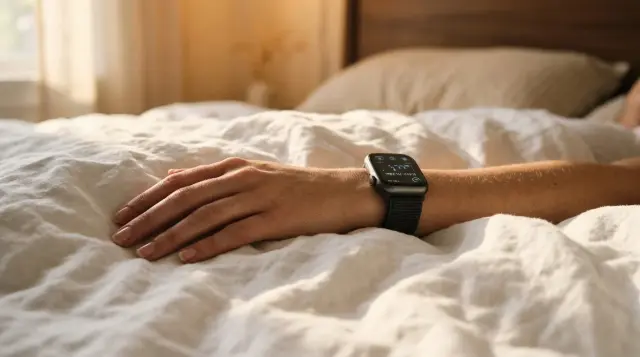
Sleep tracking has exploded in popularity, and for good reason. Devices like the Oura Ring (3rd generation), WHOOP 4.0, and Apple Watch Ultra 2 can now track heart rate variability (HRV), blood oxygen saturation, skin temperature, and sleep stage estimates. That's a lot of data. But does having all that information actually help?
Honestly, it depends on how you use it. If you check your sleep score every morning and let a bad number ruin your whole day, that's counterproductive. Researchers at Rush University Medical Center in 2017 even coined the term "orthosomnia" to describe anxiety about achieving perfect sleep scores. The irony? That anxiety makes your sleep worse.
Used wisely, though, tracking can reveal patterns you'd never catch on your own. Maybe your HRV tanks on nights you drink alcohol. Maybe your deep sleep drops when you eat dinner after 9 PM. Maybe you consistently sleep better on days you exercised in the morning versus the evening. These aren't things you can feel in the moment, but they show up clearly in weeks of data.
For most people, I'd recommend tracking for 30 days, identifying two or three actionable patterns, and then adjusting your behavior based on what the data reveals. You don't need to become a data obsessive. You just need enough information to find your personal bottlenecks.
How Does EMF Exposure Affect Your Sleep?
This is a topic that generates a lot of debate, so let's stick to what we actually know. Multiple studies have looked at the relationship between electromagnetic field exposure and sleep quality, with mixed results. What does seem clear is that radiofrequency EMF from devices like smartphones and Wi-Fi routers can affect melatonin production and brain wave patterns during sleep in some people.
A study published in the International Journal of Environmental Research and Public Health examined subjects exposed to RF-EMF before sleep and found alterations in EEG patterns during the initial stages of sleep. The clinical significance of these changes is still debated, but the biological mechanism, involving voltage-gated calcium channels and melatonin suppression, is plausible and actively being researched.
From a practical standpoint, reducing your EMF exposure at night is one of those changes with very little downside and potentially meaningful upside. Simple steps include putting your phone on airplane mode, moving your Wi-Fi router out of the bedroom, and keeping electronics away from your bed. For people who want an additional layer of protection, Proteck'd's Women's Wellness Collection features EMF-shielding sleepwear made with silver-infused fabric that can reduce your exposure during the hours when your body is trying hardest to recover.
Whether or not you're convinced EMF is a significant sleep disruptor, the principle behind reducing it at night aligns perfectly with every other pillar of sleep optimization: remove anything that could be interfering with your body's natural restorative processes.
When Should You See a Professional About Your Sleep?
Not every sleep problem is a lifestyle problem. Some are medical conditions that need professional diagnosis and treatment. If you've put solid sleep optimization practices in place for four to six weeks and still feel chronically exhausted, it's time to talk to a doctor.
The American Academy of Sleep Medicine estimates that approximately 25 million Americans have obstructive sleep apnea, and the vast majority don't know it. Sleep apnea causes repeated breathing interruptions during the night, fragmenting sleep architecture and reducing blood oxygen levels. It's strongly associated with cardiovascular disease, type 2 diabetes, and cognitive decline.
Other conditions worth screening for include restless leg syndrome, periodic limb movement disorder, narcolepsy, and circadian rhythm disorders like delayed sleep phase syndrome (common in teenagers and young adults). A formal sleep study, called a polysomnography, is the gold standard for diagnosis. Many sleep clinics now offer at-home versions that are more convenient, though slightly less comprehensive.
Virtual sleep coaching and telehealth consultations have also become widely available. Cognitive behavioral therapy for insomnia (CBT-I) is considered the first-line treatment for chronic insomnia by the American College of Physicians, and it can be delivered effectively online. Apps like Insomnia Coach (developed by the U.S. Department of Veterans Affairs) offer free, evidence-based CBT-I programs.
The bottom line: sleep optimization is powerful, but it's not a substitute for medical care when something physiological is going on. Know when to seek help.
Frequently Asked Questions
Sleep optimization is the practice of improving the quality, timing, and structure of your sleep using science-based strategies. It goes well beyond basic advice like "go to bed early" and instead targets your circadian rhythm, sleep environment, sleep architecture, and individual biology. The goal is to make every hour of rest as restorative as possible.
Sleep hygiene is a set of basic habits like avoiding caffeine late and keeping your room dark. Sleep optimization includes those habits but layers on personalized strategies like circadian rhythm alignment, sleep stage tracking, supplement protocols, and environment engineering. Think of hygiene as the foundation and optimization as the full blueprint.
The National Sleep Foundation recommends between 60 and 67°F (15.5 to 19.5°C). Your core body temperature needs to drop by a few degrees to initiate sleep, and a cool room helps that process along. If you tend to sleep hot, aim for the lower end of that range.
It can, but it's a timing signal, not a sedative. Low doses of 0.3 to 0.5 mg taken 30 minutes before your target bedtime work best for adjusting your circadian clock. The large 5 to 10 mg doses sold in stores are excessive for most people and can actually disrupt your natural melatonin rhythm over time.
Research says no. A 2019 study from the University of Colorado Boulder found that weekend recovery sleep did not reverse the metabolic damage caused by chronic sleep deprivation during the week. Participants still showed impaired insulin sensitivity regardless of the extra weekend hours. Consistency beats compensation every time.
Blue light from screens suppresses melatonin production by up to 50%, according to NIH research. This delays sleep onset and cuts into the deep sleep you get. Blue-light-blocking glasses or night mode on your devices can help, but stopping screen use 60 to 90 minutes before bed is the most effective approach.
Deep sleep (stage 3, or slow-wave sleep) is when the glymphatic system is most active, flushing metabolic waste including beta-amyloid from the brain. It's also when growth hormone is released and tissue repair happens. Anything that fragments deep sleep, whether it's alcohol, ambient light, or sleep apnea, undermines these processes.
Some research suggests that radiofrequency EMF from smartphones and Wi-Fi routers can alter brain wave patterns during early sleep stages and potentially affect melatonin production. The clinical significance is still being studied. That said, reducing EMF exposure at night by using airplane mode and keeping devices away from the bed is a low-risk change with potential upside.
It can be very useful if you don't obsess over it. Devices like the Oura Ring or WHOOP can reveal patterns in your deep sleep, HRV, and recovery that you'd never notice on your own. Track for about 30 days, identify a few patterns, adjust your habits, and then check in periodically rather than stressing over daily scores.
If you've practiced solid sleep optimization strategies for four to six weeks and still feel chronically exhausted, see a sleep specialist. Conditions like obstructive sleep apnea (affecting an estimated 25 million Americans), restless leg syndrome, and circadian rhythm disorders require professional diagnosis. A polysomnography, or sleep study, is the standard diagnostic tool.
Magnesium glycinate and magnesium threonate have the strongest evidence for improving sleep quality. A 2012 study in the Journal of Research in Medical Sciences showed magnesium supplementation improved sleep time and melatonin levels. L-theanine (200 mg) and glycine (3 g before bed) also have supporting research. Always pair supplements with good sleep habits for the best results.
References
- National Institutes of Health – National Heart, Lung, and Blood Institute – Evening blue light exposure can suppress melatonin production by up to 50%, and basic sleep hygiene education alone often fails to resolve chronic sleep issues.
- Harvard Medical School – Division of Sleep Medicine – The glymphatic system clears brain toxins significantly more effectively during deep sleep than during wakefulness.
- Current Biology – University of Colorado Boulder Study (2019) – Weekend recovery sleep does not reverse metabolic damage caused by chronic weekday sleep restriction, including impaired insulin sensitivity.
- Mayo Clinic – Insomnia Diagnosis and Treatment – Cognitive behavioral therapy for insomnia (CBT-I) is considered first-line treatment for chronic insomnia and can be delivered effectively online.
About the Author
Proteck'd EMF Apparel
Health & EMF Specialists
The Proteck'd team covers EMF protection, silver-fiber apparel, and practical ways to reduce everyday radiation exposure. Every piece Proteck'd ships is designed, tested, and worn by the people who build it.
Get the Free EMF Home Audit Checklist
A room-by-room PDF that walks you through the biggest EMF sources in your house and what to do about each one. No cost, no fluff.
Download the Checklist →✓30-day returns✓Free shipping✓Free returns✓Silver fiber shielding


Laissez un commentaire