


The Top Biohacks: What the Research Shows

Here's a question that sounds simple but opens a rabbit hole: how does sleep affect performance? Short answer: it affects almost everything. Reaction time, skill acquisition, mood, injury risk, even how fast you bounce back from a hard session. Sleep isn't just rest. It's the operating system running quietly in the background that makes every other biohack actually do its job.
I've spent years experimenting with cold plunges, meditation, supplementation, and light therapy. Every single time I track the data, one variable predicts my output better than anything else: whether I slept well the night before. That's not just my n=1 experience. Research from Stanford University, Harvard Medical School, and the National Institutes of Health all point to the same conclusion.
The biohacking community loves shiny new tools. Red light panels. Nootropics. Hyperbaric chambers. But the most powerful performance enhancer is free, available tonight, and most people are terrible at it. A 2022 CDC report found that roughly one in three American adults don't even hit seven hours per night [3]. That's a staggering number of people running on fumes, wondering why their training isn't translating to results.
This post covers what the research actually shows about sleep, recovery, and the top biohacks that complement solid rest. No hype. No supplement ads. Just what the studies say, and what you can do about it starting tonight.
Sleep isn't a passive state you fall into. It's an active biological process where your body repairs tissue, consolidates memories, and rebalances hormones. Treat it like the performance tool it is, and everything else in your training and work life gets easier.
- Sleep is the single most impactful and evidence-backed performance biohack, affecting everything from sprint speed to injury risk
- The Stanford sleep extension study showed athletes who slept 10 hours improved reaction time, accuracy, and speed measurably
- Caffeine masks the feeling of sleep deprivation but does not replace the physiological recovery that sleep provides
- Environmental factors like temperature (60-67°F), darkness, and EMF exposure significantly influence sleep quality
- Consistency in bedtime and wake time is the most effective sleep hygiene behavior according to leading sleep researchers
How Does Sleep Affect Athletic Performance and Recovery?
Let's start with the study that put this question on the map. In 2011, Dr. Cheri Mah at the Stanford Sleep Disorders Clinic ran an experiment on the university's basketball team. Players extended their sleep to 10 hours per night for five to seven weeks. The results were striking. Sprint times improved by 4%, free-throw accuracy jumped 9%, and three-point shooting climbed 9.2% [1]. These weren't beginners. They were Division I athletes who already thought they were performing well.
The mechanism is straightforward. During deep sleep, specifically the slow-wave stages, your body releases the majority of its daily growth hormone. According to Harvard Medical School, this phase accounts for up to 75% of growth hormone secretion, which drives muscle repair, tissue regeneration, and glycogen restoration [2]. Cut that short and you're literally shrinking your body's repair window.
A 2018 meta-analysis in the British Journal of Sports Medicine found that athletes sleeping fewer than seven hours per night had a 1.7 times greater risk of injury compared to those sleeping eight or more hours. That's not subtle. Think about it this way: you could do everything right in the gym, eat perfectly, and still get hurt more often simply because your nightly recovery fell short.
Quick Q&A
Q: How many hours of sleep do athletes need for peak performance?
A: Most sports medicine experts, including those at Mass General Brigham, recommend 8 to 10 hours for competitive athletes, with 7 hours as an absolute minimum for general health.
This doesn't only apply to professional athletes, either. Whether you're training for a marathon or just trying to PR your deadlift, sleep quality and duration shape your results far more than most people realize. For a deeper look at improving your rest, check out our guide on Getting Better Sleep: The Complete Guide.
What Happens to Your Brain When You Don't Sleep Enough?
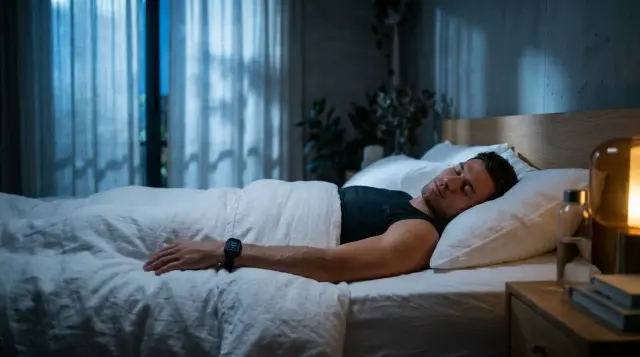
Physical recovery gets most of the attention, but sleep's effect on your brain might be even more dramatic. According to the National Institutes of Health, going 24 hours without sleep impairs cognitive function to a degree comparable to having a blood alcohol concentration of 0.10%, which is above the legal driving limit in every U.S. state [2]. You wouldn't try to compete drunk. But plenty of people show up sleep-deprived and wonder why their decision-making falls apart.
Reaction time is one of the first things to go. A 2021 study in Nature and Science of Sleep found that even modest sleep restriction, sleeping six hours instead of eight for just four nights, slowed reaction time by roughly 12% and increased error rates on cognitive tasks. For an athlete, that 12% can be the difference between catching a pass and missing it. For a surgeon, a programmer, or a driver, the stakes are obvious.
Sleep also plays a central role in memory consolidation. During REM sleep, your brain replays motor patterns learned during the day and strengthens the neural connections that encode them. Dr. Matthew Walker at UC Berkeley has shown that a single night of good sleep after learning a new motor skill can improve performance by 20 to 30% the next day, without any additional practice. Skip that sleep, and those gains vanish.
This is why how sleep affects performance goes far beyond feeling "rested." Your circadian rest cycle determines how well your brain processes information, regulates emotion, and maintains focus under pressure. If you've ever had a terrible night and then felt emotionally fragile or mentally foggy the next day, that's not weakness. That's neuroscience. Protecting your sleep is one of the most practical biohacks you can adopt, and techniques like meditation can help. Here's our guide on How to Start Meditating: The Practical Guide.
Can Energy Drinks and Caffeine Replace Lost Sleep?
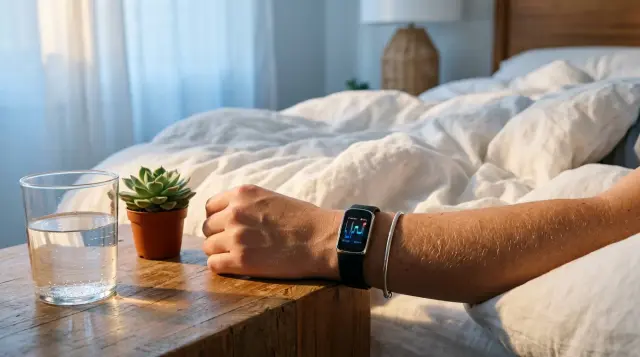
Let's be honest. This is the strategy most people default to. Bad night? Double espresso. Pre-game jitters after rough sleep? Energy drink. And yes, caffeine does temporarily mask some effects of sleep deprivation. A study from the Walter Reed Army Institute of Research found that 200mg of caffeine (about one strong cup of coffee) could partially restore reaction time after sleep loss. Partially. And only for a few hours.
What caffeine can't do is replace the physiological processes that happen during actual sleep. It won't trigger growth hormone release. It won't consolidate your memories. It won't repair microtears in your muscles. Dr. Charles Czeisler at Harvard Medical School's Division of Sleep Medicine has been blunt about this: stimulants create the subjective feeling of alertness while leaving the underlying impairment largely intact.
There's also a compounding problem. Caffeine has a half-life of roughly five to six hours. That afternoon coffee at 3 PM still has half its caffeine circulating in your system at 9 PM. So the stimulant you used to compensate for bad sleep actively undermines your ability to get good sleep that night. It's a vicious cycle. I've watched it derail people who otherwise have great training and nutrition dialed in.
The better move? Fix the root cause. That means optimizing your circadian rhythm, reducing screen exposure before bed, and creating an environment that actually supports deep rest. We've written extensively about How to Reduce Screen Time: The Method That Works, and it's one of the highest-impact changes you can make.
Which Biohacks Actually Improve Sleep Quality?
So if sleep is the foundation, what actually helps you sleep better? Let's go through what the research supports, not just what's trending on social media.
Cold exposure. A 2019 study in the Journal of Physiological Anthropology found that a warm-to-cool body temperature shift before bed significantly reduced how long it took people to fall asleep. This is why protocols like a cold shower 60 to 90 minutes before bed, or simply cooling your bedroom to 65 to 68°F, can make a real difference. Dr. Andrew Huberman at Stanford has popularized this approach, and the data backs it up. The drop in core body temperature signals your hypothalamus that it's time for sleep.
Light management. Your circadian rhythm is anchored by light exposure. According to research published in the Journal of Clinical Endocrinology and Metabolism, even dim artificial light at night can suppress melatonin production by more than 50%. That's why getting bright light in the first 30 minutes after waking, and limiting blue light after sunset, is such a reliable sleep biohack. It's free, and it works.
Digital detox. This one's related to light but goes further. The mental stimulation from scrolling, checking emails, or binge-watching activates your sympathetic nervous system at exactly the time you need it to wind down. A structured approach to disconnecting makes a measurable difference. Our guide on How to Do a Digital Detox: Step by Step lays out a practical framework, and our full Digital Detox: The Complete Guide covers the science behind why it matters so much for rest quality.
Quick Q&A
Q: Does reducing EMF exposure at night actually improve sleep?
A: Emerging research suggests that reducing electromagnetic field exposure, particularly from wireless devices near the bed, may support better melatonin production and sleep quality, though more large-scale studies are needed.
Speaking of EMF, this is an area getting serious attention in the biohacking community. Some people find that minimizing electromagnetic radiation exposure in their sleeping environment noticeably improves rest quality. Proteck'd's Faraday Health Collection was designed with this idea in mind, incorporating silver-lined fabrics that offer EMF shielding. You can learn more about the science on our EMF Health Benefits page. There's also a Women's Wellness Collection for those looking for options designed specifically for women.
How Much Sleep Do You Actually Need for Peak Performance?
The standard recommendation from the CDC and the American Academy of Sleep Medicine is seven or more hours for adults. But for people who are physically active or training hard, that number is almost certainly too low. The consensus among sports medicine researchers, including teams at Mass General Brigham and the University of Maryland Medical System, is that competitive athletes need eight to ten hours per night for optimal recovery and performance.
Here's something that often gets missed: it's not just total hours that matter. Sleep architecture matters too. You cycle through stages roughly every 90 minutes. The deep slow-wave sleep that handles physical repair is concentrated in the first half of the night, while REM sleep (which handles cognitive processing and emotional regulation) dominates the second half. Cut your sleep short by even an hour and you disproportionately lose REM.
So how do you know if you're getting enough? Dr. Meir Kryger at Yale School of Medicine suggests two simple self-tests. First, do you need an alarm to wake up on most mornings? If you consistently can't wake up naturally, you're probably underslept. Second, do you fall asleep within five minutes of your head hitting the pillow? That might feel like a superpower, but it's actually a sign of sleep deprivation, not efficient sleep. Healthy sleep onset typically takes 10 to 20 minutes.
Tracking your rest with a wearable can provide objective data, but don't let the numbers make you anxious. The goal is consistency: same bedtime, same wake time, seven days a week. Dr. Walker calls it the single most effective sleep hygiene behavior, and it costs nothing to implement.
Does Your Sleep Environment Actually Matter That Much?
Yes. Dramatically. And this is where a lot of biohacking advice misses the mark, focusing on supplements and gadgets while ignoring the basics. Your bedroom environment is arguably the most impactful thing you can control.
Temperature is first. The National Sleep Foundation recommends a bedroom temperature of 60 to 67°F for optimal sleep. Your core body temperature needs to drop by about 2 to 3 degrees Fahrenheit to initiate and maintain deep sleep. A room that's too warm will wake you up during the night, even if you don't fully realize it. This is why so many athletes now use cooling mattress pads or sleep systems like the Eight Sleep Pod.
Darkness matters just as much. Even small amounts of ambient light can interfere with melatonin production. A 2022 study from Northwestern University published in PNAS found that sleeping with even moderate light exposure (100 lux, roughly a dim lamp) increased heart rate and insulin resistance the following morning compared to sleeping in near-total darkness [4]. Blackout curtains or a quality sleep mask aren't luxury items. They're performance tools.
Sound, air quality, and yes, even the electromagnetic environment of your bedroom all play roles. Some biohackers turn off their Wi-Fi router at night, keep phones in airplane mode, or use EMF-shielding products. While the research on electromagnetic radiation and sleep is still evolving, the precautionary approach aligns with a broader philosophy: remove anything from your sleep environment that doesn't actively help you rest. How does sleep affect performance? Profoundly. And your environment is either helping or hurting, every single night.
What Are the Best Pre-Sleep Biohacking Protocols?
Let me share the protocol I've landed on after years of tweaking. I'm not claiming it's perfect for everyone, but every piece of it is backed by at least one solid study, and it's simple enough to actually stick with.
Two hours before bed: stop eating. A 2020 study in the British Journal of Nutrition showed that eating within two hours of sleep reduced sleep efficiency and increased nighttime awakenings. Your digestive system competing with your repair systems is a losing combination. One hour before bed: dim the lights, put away screens, and either read a physical book or do a short meditation. Even five minutes of breath-focused meditation has been shown to reduce cortisol and shift the nervous system toward parasympathetic dominance.
Thirty minutes before bed: lower the room temperature and get into bed at the same time you did the night before. Consistency is king. Dr. Shelby Harris at Albert Einstein College of Medicine has published work showing that variable bedtimes, even by just 30 minutes, measurably degrade sleep quality over time. Your body's circadian system thrives on predictability.
One final tip that sounds almost too simple: keep a pen and notepad by your bed. Racing thoughts are one of the most common reasons people struggle to fall asleep. A 2018 Baylor University study published in the Journal of Experimental Psychology found that writing a to-do list before bed helped participants fall asleep nine minutes faster than those who wrote about completed tasks. Nine minutes might not sound like much. But compounded across a year, that's over 54 hours of additional sleep. That's the biohacking mindset: small, evidence-based changes that compound into real results.
Frequently Asked Questions
Sleep affects cognitive performance, emotional regulation, and decision-making for everyone, not just athletes. Research from the NIH shows that even mild sleep restriction, like getting six hours instead of eight, reduces working memory, slows reaction time, and impairs judgment in ways similar to alcohol intoxication. Whether you're giving a presentation or driving to work, your nightly recovery directly shapes how well you function.
Most sports medicine experts recommend 8 to 10 hours for competitive athletes. The Stanford sleep extension study used a 10-hour sleep opportunity and saw significant performance improvements. Seven hours is considered the absolute minimum for general adult health by the American Academy of Sleep Medicine, but physically active individuals almost always benefit from more.
Napping can partially offset some effects of sleep deprivation, especially for alertness and reaction time. A NASA study on military pilots found that a 26-minute nap improved performance by 34% and alertness by 54%. However, naps don't fully replace the benefits of a complete sleep cycle, particularly deep slow-wave and REM stages. Think of naps as a helpful supplement, not a substitute.
Both matter, but quality has a slight edge in most research. You can spend nine hours in bed and still feel terrible if you're waking frequently or not reaching deep sleep stages. Room temperature, light exposure, and evening screen habits directly affect sleep architecture, which is why optimizing your environment is just as important as logging enough hours.
The National Sleep Foundation recommends a bedroom temperature between 60 and 67°F (15 to 19°C). Your core body temperature needs to drop by a few degrees to initiate deep sleep, and a cool room helps that process along. If you frequently wake up sweating or kicking off covers, your room is almost certainly too warm.
Yes, and the effect is well documented. Blue light from screens suppresses melatonin production, and the mental stimulation from content keeps your sympathetic nervous system active. A Harvard study found that blue light exposure shifted circadian rhythm by up to 90 minutes. Cutting screens one to two hours before bed consistently improves both sleep onset and sleep quality in controlled studies.
This is an active area of research. Some studies suggest that radiofrequency electromagnetic fields may affect melatonin production and sleep EEG patterns, though results are mixed. Many biohackers report improved sleep when they put phones in airplane mode or move routers out of the bedroom. The precautionary approach of minimizing EMF exposure where you sleep is low-cost and has no downside.
Common signs include needing an alarm to wake up every morning, falling asleep within five minutes of lying down (that's a marker of sleep debt, not efficiency), increased irritability, difficulty concentrating, and a plateau or decline in training progress despite consistent effort. If you're recovering slower from workouts or getting sick more often, inadequate rest is a likely culprit.
Melatonin can be helpful for specific situations like jet lag or shift work, but it's not a magic fix for chronic poor sleep. Most over-the-counter doses (3 to 10mg) are far higher than what the body naturally produces (about 0.3mg). Dr. Richard Wurtman at MIT, who pioneered melatonin research, recommends doses of 0.3 to 0.5mg if used at all. Addressing light exposure, temperature, and consistency often yields better long-term results.
It depends on the severity. One bad night can usually be fixed with one or two solid nights of recovery sleep. But chronic sleep deprivation, the kind where you've been averaging six hours for weeks or months, takes much longer to resolve. A University of Pennsylvania study found that after two weeks of sleeping six hours per night, cognitive deficits were equivalent to going two full nights without sleep, and recovery took more than a week of extended rest.
References
- Stanford Medicine - Cheri Mah Sleep Extension Study – Stanford basketball players who extended sleep to 10 hours improved sprint times and shooting accuracy significantly
- National Institutes of Health - Sleep and Health – Sleep deprivation impairs cognitive function and physiological recovery processes including growth hormone release
- Centers for Disease Control and Prevention - Sleep and Sleep Disorders – One in three American adults gets fewer than seven hours of sleep per night
- Northwestern University / PNAS - Light Exposure During Sleep Study – Sleeping with moderate light exposure (100 lux) increased heart rate and insulin resistance compared to sleeping in darkness
About the Author
Proteck'd EMF Apparel
Health & EMF Specialists
The Proteck'd team covers EMF protection, silver-fiber apparel, and practical ways to reduce everyday radiation exposure. Every piece Proteck'd ships is designed, tested, and worn by the people who build it.
Get the Free EMF Home Audit Checklist
A room-by-room PDF that walks you through the biggest EMF sources in your house and what to do about each one. No cost, no fluff.
Download the Checklist →✓30-day returns✓Free shipping✓Free returns✓Silver fiber shielding


Leave a comment