


Self-Optimization: What It Is, What Works, What Doesn't

Here's a number worth pausing for: the global biohacking market hit $22.4 billion in 2023 and is projected to nearly double by 2030. That's a staggering amount of money flowing toward self-improvement. But how much of it is going toward things that actually work? If you've ever wondered why does best biohacks science backed matter, the answer is pretty straightforward. Most of what gets marketed as life-changing optimization is either unproven, overpriced, or both.
I've spent years sorting through the noise. Red light panels. Nootropic stacks. Grounding mats. Peptide injections. Some of these have real research behind them. Many don't. And the gap between "promising early data" and "this will transform your health" is enormous.
The good news? The interventions with the strongest evidence are also the most accessible. They don't require a $10,000 lab setup or a subscription to some influencer's supplement line. They require consistency, a willingness to prioritize the boring stuff, and a clear understanding of what the actual research says.
This guide is a full breakdown of self-optimization: what it really means, which evidence-based biohacking strategies hold up under scrutiny, which popular trends fall short, and how to build a personal protocol grounded in science rather than hype. Let's get into it.
The most powerful self-optimization tools aren't expensive gadgets or exotic compounds. They're sleep, movement, real food, and stress management, the same interventions that show up at the top of every well-designed longevity study ever conducted.
- Sleep is the highest-leverage biohack: optimizing it improves every other health intervention you pursue.
- Strength training 30 to 60 minutes per week reduces all-cause mortality risk by approximately 15%, according to a 2022 meta-analysis.
- Intermittent fasting has solid evidence for improving metabolic markers, but it's not appropriate for everyone.
- Most supplements lack FDA-required proof of efficacy; prioritize the few with strong evidence like creatine, omega-3s, and vitamin D.
- Avoid extreme biohacks like DIY gene therapy and young blood transfusions, which carry real health risks with no proven benefits.
What Is Self-Optimization, and How Is It Different From Biohacking?
Self-optimization is the deliberate practice of improving your physical, mental, and cognitive performance through targeted lifestyle changes. Biohacking falls under that umbrella. It's one tool in a bigger toolbox. The distinction matters because biohacking has become a loaded word. People hear it and picture silicon implants and DIY gene editing. Meanwhile, the most powerful self-optimization techniques are far less dramatic.
A 2023 review published by the National Institutes of Health confirmed what many of us already suspected. The most scientifically validated biohacks are lifestyle interventions: regular physical activity, quality sleep, healthful dietary patterns, and stress management [1]. Not peptides. Not IV drips. Lifestyle habits. The researchers specifically noted that these basics outperform most commercially available biohacking products for long-term health outcomes.
So when someone asks why does best biohacks science backed matter, this is the core answer. Without a scientific foundation, you're experimenting on yourself with no controls and no safety net. That's not optimization. That's gambling with your biology.
A real-world example: Bryan Johnson, the tech entrepreneur who spends roughly $2 million per year on his "Blueprint" anti-aging protocol, has publicly acknowledged that the biggest drivers of his improved biomarkers are sleep, exercise, and a whole-food plant-heavy diet. The exotic stuff makes headlines. The fundamentals move the needle.
Why Does Sleep Matter More Than Any Supplement You Can Buy?
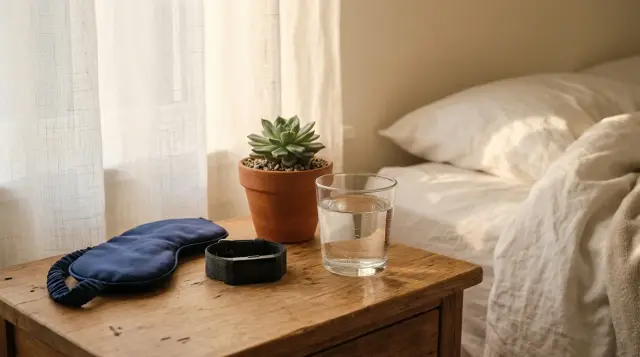
If you only optimize one thing, make it sleep. I know. Boring compared to some flashy nootropic stack. But the data is overwhelming. The CDC reports that only 1 in 3 American adults gets the recommended seven or more hours of sleep per night [2]. That means two-thirds of us are running on a deficit that undermines literally every other health intervention we try.
Sleep is when your brain clears metabolic waste through the glymphatic system. It's when human growth hormone peaks. It's when memories consolidate and emotional regulation resets. Skip it, and your cortisol spikes, your insulin sensitivity drops, your reaction time slows, and your immune function takes a hit. No pill compensates for that.
Quick Q&A
Q: What is the single most impactful biohack for longevity?
A: According to the NIH National Institute on Aging, quality sleep is one of the three strongest predictors of healthy aging, alongside exercise and social connection.
Practical steps? Keep your bedroom at 65 to 68 degrees Fahrenheit. Block artificial light after sunset, especially blue light from screens. Maintain a consistent wake time, even on weekends. We wrote a detailed protocol in our Sleep Optimization: The Science-Backed Guide, and if you want a quick action list, check out How to Sleep Better Tonight: The Complete Checklist.
One often overlooked factor in sleep quality is your electromagnetic environment. Research on EMF exposure and melatonin disruption is still evolving, but many self-optimization enthusiasts report better nightly recovery after reducing wireless radiation in the bedroom. Proteck'd's Faraday Health Collection is designed with silver-lined fabric that shields against EMF, and you can read more about the science behind it on our EMF Health Benefits page.
Does Strength Training Actually Slow Aging?
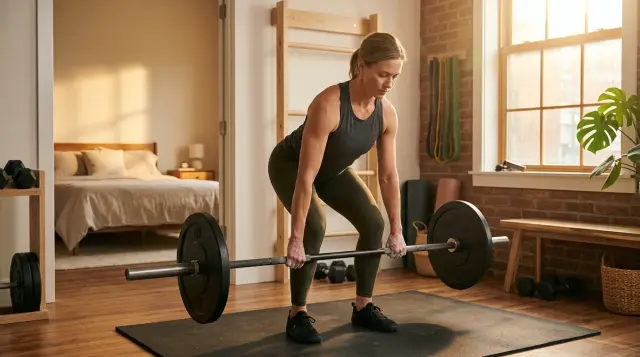
Yes. And the evidence isn't ambiguous. A 2022 meta-analysis published in the British Journal of Sports Medicine, covering data from over 1.5 million participants, found that muscle-strengthening activities reduced all-cause mortality risk by approximately 15% [3]. That's not marginal. That's a meaningful reduction in your risk of dying from basically anything.
Resistance training preserves lean muscle mass, which declines at a rate of 3% to 8% per decade after age 30. It improves bone mineral density, reduces the risk of type 2 diabetes, supports cardiovascular health, and enhances cognitive function. Dr. Peter Attia, a physician focused on longevity medicine, has called strength training the single most important longevity intervention available to most people.
You don't need to live in the gym, either. Research from the same meta-analysis showed that 30 to 60 minutes of resistance training per week was the sweet spot for mortality reduction. Beyond 130 minutes per week, the benefits plateaued and may have slightly reversed. More isn't always better.
Here's my honest take: if you're spending $200 a month on supplements but not lifting weights two to three times per week, your priorities are backward. The longevity hack with the strongest evidence base is picking up heavy things and putting them down again. Pair that with walking and some form of zone 2 cardio, and you've covered the exercise pillar of science-backed health optimization.
Is Intermittent Fasting Backed by Real Science?
Intermittent fasting is one of the more polarizing topics in the self-optimization community. Some people swear by it. Others call it an eating disorder with good branding. So what does the research actually say?
A landmark review published in the New England Journal of Medicine in 2019 by Dr. Rafael de Cabo and Dr. Mark Mattson examined decades of evidence on time-restricted eating and periodic fasting [4]. Their conclusion: intermittent fasting can improve metabolic markers, including insulin sensitivity, blood pressure, and inflammatory biomarkers. It also triggers autophagy, the cellular cleanup process that removes damaged proteins and organelles.
The most studied protocols are the 16:8 method (eating within an eight-hour window) and the 5:2 approach (eating normally five days per week and restricting calories to 500 to 600 on two non-consecutive days). Both show benefits, though the 16:8 method has more real-world compliance data.
But context matters. Intermittent fasting may not be appropriate for pregnant women, people with a history of disordered eating, or individuals on certain medications. And the research on long-term adherence beyond two years is thin. It's a solid evidence-based biohacking tool, not a universal prescription. Pair it with good nutrition, and the results compound. Our Gut Health: The Complete Guide goes deeper on how your eating patterns affect your microbiome.
Do Cold and Heat Exposure Actually Build Resilience?
Cold plunges are having a moment. Every other Instagram reel features someone grimacing in an ice bath, claiming it cured their anxiety, boosted their testosterone, and turned them into a morning person. So let's separate verified science from bro-science.
Research from Dr. Susanna Søberg at the University of Copenhagen found that regular cold water immersion (around 11 minutes total per week, spread across multiple sessions) increased brown fat activation and improved metabolic health markers in study participants. That's a real finding. Cold exposure also triggers norepinephrine release, which can improve focus and mood in the short term.
Heat exposure, specifically sauna use, has even stronger longitudinal data. A 2015 study from the University of Eastern Finland, published in JAMA Internal Medicine, followed over 2,300 men for 20 years and found that those who used a sauna four to seven times per week had a 40% lower risk of all-cause mortality compared to those who used it once per week. That's a striking association, though it's observational and can't prove causation on its own.
Quick Q&A
Q: How much cold exposure per week is science-backed?
A: Dr. Susanna Søberg's research suggests roughly 11 minutes of cold water immersion per week, divided across two to three sessions, is sufficient to activate brown fat and improve metabolic markers.
The takeaway: deliberate temperature stress, both hot and cold, has legitimate science behind it. But you don't need a $5,000 cold plunge unit. A cold shower for the last two to three minutes of your regular shower gets you most of the way there. Start small.
What About Nootropics and Supplements? Do They Actually Work?
This is where the self-optimization space gets muddiest. The supplement industry generated over $60 billion in revenue in the United States alone in 2023, according to the Nutrition Business Journal. And the FDA doesn't require supplements to prove efficacy before hitting shelves. That's a lot of money flowing toward products that may or may not do anything at all.
Some supplements have strong evidence. Creatine monohydrate is one of the most studied compounds in sports nutrition. Research consistently shows it improves strength, power output, and may support cognitive function, especially under conditions of sleep deprivation or stress. Omega-3 fatty acids (EPA and DHA) have solid cardiovascular and anti-inflammatory data. Vitamin D supplementation has clear benefits for individuals who are deficient, and that includes an estimated 42% of American adults according to a study published in Nutrition Research.
Then there's the gray zone. Ashwagandha has promising data on cortisol reduction, but most studies are small and short-term. Lion's mane mushroom shows interesting effects on nerve growth factor in animal models, but human trials are limited. Nootropics like racetams remain popular in biohacking communities despite thin evidence from controlled human studies.
And then there's the stuff you should probably skip entirely. DIY CRISPR kits, unregulated peptide injections sourced from overseas labs, and mega-dose vitamin protocols without blood work are all risks that outweigh the potential benefits. Understanding why does best biohacks science backed matter becomes especially clear here: the supplement space is where people are most likely to waste money or actually harm themselves.
How Does Stress Management Fit Into Self-Optimization?
Chronic stress is a biological wrecking ball. It elevates cortisol, which over time contributes to visceral fat accumulation, impaired immune function, disrupted sleep, and accelerated cellular aging. A 2004 study by Dr. Elissa Epel and Dr. Elizabeth Blackburn at UC San Francisco found that chronic psychological stress was associated with shorter telomere length, a biomarker of biological aging. The women in the study with the highest perceived stress had telomeres equivalent to being 10 years older biologically.
So stress management isn't some soft, optional add-on to your protocol. It's foundational. Harvard Medical School research has demonstrated that mindfulness meditation can measurably reduce cortisol levels within eight weeks of consistent daily practice. Even 10 to 15 minutes a day shows effects.
Other validated stress-reduction techniques include deep breathing exercises (particularly box breathing and the physiological sigh studied by Dr. Andrew Huberman's lab at Stanford), time in nature, journaling, and maintaining strong social connections. We explore the neuroscience of being present in more detail in our Present-Moment Awareness: The Science-Backed Guide.
One less-discussed stressor that the health optimization community is paying more attention to is constant electromagnetic field exposure from devices. While the research is still developing, the precautionary approach makes sense. Proteck'd's Women's Wellness Collection offers EMF-shielding apparel that lets you reduce exposure without unplugging from modern life.
What Biohacks Should You Actually Avoid?
Not all self-optimization is created equal. Some popular biohacking trends carry real risks, and part of being an informed self-optimizer is knowing where to draw the line.
DIY biology, including at-home gene editing with CRISPR kits, is one of the riskiest frontiers. In 2017, biohacker Josiah Zayner publicly injected himself with a CRISPR construct at a synthetic biology conference. He later expressed regret about the stunt and cautioned others against following his example. The FDA has stated that the sale of DIY gene therapy kits intended for self-administration is illegal.
Extreme caloric restriction is another area where the evidence doesn't match the hype. While research in rodents and primates has shown lifespan extension from caloric restriction, human studies (including the CALERIE trial funded by the NIH) have shown metabolic benefits but also significant downsides: muscle loss, reduced bone density, hormonal disruption, and decreased immune function in some participants.
Blood transfusions from younger donors, sometimes called "parabiosis" or "young blood" treatments, were popularized by several Silicon Valley startups. The FDA issued a consumer alert in 2019 warning that there is no proven clinical benefit and that plasma infusions carry real risks including allergic reactions, circulatory overload, and infectious disease transmission. Why does best biohacks science backed matter? Because the alternatives can genuinely hurt you.
For a deeper breakdown of which interventions hold up and which don't, check out The Best Biohacks: What the Research Shows.
How Do You Build a Personalized Self-Optimization Protocol?
Here's where everything comes together. A good science-backed health optimization protocol isn't a copy-paste of someone else's routine. It's a framework built around your current health status, goals, and constraints. What works for a 25-year-old athlete won't be appropriate for a 55-year-old with prediabetes.
Step one: get baseline data. That means blood work (at minimum a comprehensive metabolic panel, lipid panel, fasting insulin, HbA1c, vitamin D, and thyroid markers), a sleep assessment (even just a week of tracking with a wearable like the Oura Ring or Whoop), and an honest evaluation of your stress levels and recovery capacity.
Step two: prioritize the fundamentals. Sleep seven to nine hours per night. Strength train two to four times per week. Eat whole foods with adequate protein (at least 0.7 grams per pound of body weight). Manage stress through a daily practice, whether that's meditation, breathwork, or simply walking outside. These four pillars account for probably 80% of the longevity benefits that most people are chasing with fancy interventions.
Step three: layer in targeted additions based on your data. Deficient in vitamin D? Supplement. Inflammatory markers elevated? Look at omega-3s, sleep quality, and gut health. Constantly fatigued despite good sleep? Investigate thyroid function and iron levels. This is personalized self-optimization, not one-size-fits-all biohacking.
Step four: reassess every 90 days. Run follow-up labs. Check your subjective energy and mood. Drop what isn't moving the needle. Add one variable at a time so you can actually attribute changes to specific interventions. This iterative approach is what separates real evidence-based biohacking from the supplement-of-the-month club.
Frequently Asked Questions
It matters because unproven biohacks can waste your money and sometimes harm your health. The supplement and biohacking industry isn't tightly regulated, meaning many products reach consumers without evidence of efficacy or safety. Sticking to science-backed approaches ensures you're investing in interventions with demonstrated benefits and understood risk profiles.
Regular strength training has the strongest case. A 2022 meta-analysis in the British Journal of Sports Medicine showed it reduces all-cause mortality by about 15%. Combined with quality sleep and stress management, resistance training forms the foundation of any evidence-based longevity protocol.
No. Pregnant or breastfeeding women, people with a history of eating disorders, individuals on blood sugar medications, and those under 18 should generally avoid it without medical supervision. For healthy adults, the 16:8 protocol has the strongest compliance and safety data.
Some do, but most lack strong evidence. Creatine and omega-3 fatty acids have the most solid data for cognitive support. Popular nootropics like racetams and alpha-GPC have limited controlled human trials. Always check for third-party testing and talk to a healthcare provider before starting any new supplement.
Research from Dr. Susanna Søberg at the University of Copenhagen suggests about 11 minutes of cold water immersion per week, spread across two to three sessions. You don't need an expensive plunge tub. Cold showers for the last two to three minutes of your regular shower can provide similar metabolic benefits.
Observational data strongly supports the connection. A 20-year Finnish study of over 2,300 men found that frequent sauna users (four to seven times per week) had a 40% lower risk of all-cause mortality compared to once-per-week users. It can't prove causation on its own, but the association is strong and has been replicated across multiple studies.
Sleep optimization, regular movement, and whole-food nutrition. These three interventions have the most research behind them and require zero expensive equipment. Once you've built consistency with the fundamentals for at least 60 to 90 days, consider adding cold exposure, fasting protocols, or targeted supplementation based on blood work.
For most people, yes. Wearables like the Oura Ring, Whoop, and Apple Watch provide actionable data on sleep quality, heart rate variability, and activity levels. They're most useful when you actually act on the data rather than just passively collecting numbers. Budget models that track sleep and steps can work just as well as premium options.
The research is still developing, but some studies suggest electromagnetic field exposure from devices may affect melatonin production and sleep quality. Many health-conscious individuals report improved rest after reducing wireless radiation in the bedroom. EMF-shielding apparel and turning off WiFi routers at night are low-risk precautionary steps worth trying.
Self-optimization is the broader practice of deliberately improving physical, mental, and cognitive performance. Biohacking is a subset that focuses specifically on biological interventions, from lifestyle changes to technology-assisted or experimental approaches. All biohacking is self-optimization, but not all self-optimization qualifies as biohacking.
References
- National Institutes of Health – The most scientifically validated biohacks are lifestyle interventions including regular physical activity, quality sleep, healthful dietary patterns, and stress management.
- Centers for Disease Control and Prevention – Only 1 in 3 American adults gets the recommended 7 or more hours of sleep per night.
- British Journal of Sports Medicine (BMJ) – A 2022 meta-analysis found that muscle-strengthening activities reduced all-cause mortality risk by approximately 15%.
- New England Journal of Medicine – Intermittent fasting can improve metabolic markers including insulin sensitivity, blood pressure, and inflammatory biomarkers, and triggers autophagy.
About the Author
Proteck'd EMF Apparel
Health & EMF Specialists
The Proteck'd team covers EMF protection, silver-fiber apparel, and practical ways to reduce everyday radiation exposure. Every piece Proteck'd ships is designed, tested, and worn by the people who build it.
Get the Free EMF Home Audit Checklist
A room-by-room PDF that walks you through the biggest EMF sources in your house and what to do about each one. No cost, no fluff.
Download the Checklist →✓30-day returns✓Free shipping✓Free returns✓Silver fiber shielding


Leave a comment