


Biohacking: The Honest Guide

Here's a question I hear constantly: is biohacking guide beginners safe, or is this just another wellness fad that'll leave people worse off? Short answer: yes, most of it is perfectly safe for newcomers. But the longer answer is more interesting. And honestly, way more useful.
The word "biohacking" makes people picture someone in a garage injecting experimental compounds into their arm. Those people exist. But they represent maybe 1% of what self-optimization actually looks like day to day. For most of us, biohacking is really just a fancy label for paying closer attention to how your body works, then making deliberate changes based on what you find.
A 2019 review published in Trends in Biotechnology found that the vast majority of consumer-level biohacking falls into low-risk categories: sleep improvement, dietary changes, meditation, and environmental modifications [1]. That's it. Not exactly the stuff of dystopian fiction.
So why all the confusion? Because the biohacking community is massive, loud, and spans a spectrum from "I track my steps" to "I implanted a magnet in my finger." This guide is for people on the sensible end of that range. The ones who want to feel better, think more clearly, and age a little slower, without doing anything reckless.
Let's talk about what actually works.
Key Takeaways
What Is Biohacking, Really?
Biohacking, sometimes called DIY biology or personal health experimentation, is the practice of making changes to your lifestyle, environment, or body to improve how you perform and how you feel. That definition is intentionally broad because the field itself is broad. It covers everything from tracking your heart rate variability with an Oura ring to jumping into cold water every morning.
The term picked up mainstream steam around 2015, partly thanks to figures like Dave Asprey (founder of Bulletproof Coffee) and Dr. Rhonda Patrick, a biomedical scientist who made nutrition and longevity research accessible through her FoundMyFitness platform. They helped bring self-optimization to regular people, not just Silicon Valley executives with personal chefs.
Most experts, including researchers at Stanford University's Lifestyle Medicine program, break biohacking into three loose categories. First, there's nutrigenomics, which looks at how food affects your gene expression. Second, there's grinder biohacking, the more extreme end involving implants and chemical self-experimentation. Third, and most relevant if you're new to this, there's lifestyle biohacking: sleep, movement, stress management, and environmental controls.
Quick Q&A
Q: Do I need expensive gadgets to start biohacking?
A: No. The most effective biohacks, like fixing your sleep schedule and eating more fiber, cost nothing and are backed by decades of research.
If you're just starting out, forget the gadgets and supplements for now. The biggest returns come from the basics, and they're free. Your sleep, your food, your stress levels, your environment. Let's get into each one.
How Does Sleep Optimization Work as a Biohack?
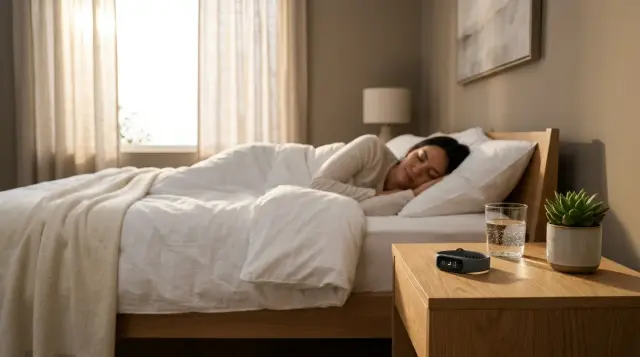
If I could only recommend one biohack to a beginner, it would be fixing their sleep. Every single time. According to the CDC, more than a third of American adults don't get the recommended 7 or more hours per night [2]. The downstream effects of that deficit touch everything. Metabolism. Immune function. Mood. Your ability to learn and remember things.
Sleep optimization is where self-optimization becomes concrete and measurable. Start tracking your sleep with a wearable or even a free app like Sleep Cycle. Look for patterns. Maybe you sleep terribly on nights you eat late. Maybe your room runs too warm. Or maybe, and this is more common than people realize, the blue light and electromagnetic radiation from your devices is throwing off your circadian rhythm.
That last point matters more than most folks think. The WHO's International EMF Project has been studying the health effects of electromagnetic fields since 1996, and research continues to suggest that chronic low-level exposure may interfere with melatonin production and sleep quality. For a deeper look at practical steps you can take tonight, check out our Getting Better Sleep: The Honest Guide and the companion How to Sleep Better Tonight: The Complete Checklist.
One concrete example: a friend of mine started wearing Proteck'd's EMF-shielding clothing during the evening hours, switched to a manual alarm clock, and moved her phone out of the bedroom entirely. Within two weeks, her average sleep score on her Oura ring went from 68 to 81. That's not magic. That's just removing environmental interference and letting your body do what it already knows how to do.
Nightly recovery is the foundation. Everything else you try as a biohacker will work better when you're well rested. Period.
Can Gut Health Really Change How You Feel?
Yes. And the science on this has exploded over the last decade. The NIH Human Microbiome Project mapped the staggering complexity of your gut ecosystem, revealing that roughly 100 trillion microorganisms live in your digestive tract [3]. Those organisms influence everything from your immune response to your mood, thanks to the gut-brain axis, a bidirectional communication pathway between your intestines and your central nervous system.
Here's a real-world example. Dr. Tim Spector, a genetic epidemiology professor at King's College London and founder of the ZOE nutrition project, ran one of the largest nutrition studies ever conducted. His PREDICT study, published in Nature Medicine in 2020, showed that individual responses to identical foods varied wildly. The same banana could spike blood sugar in one person and barely register in another. The difference? Largely gut microbiome composition.
For beginners, gut health biohacking doesn't require expensive testing. Start with diversity. Aim for 30 different plant foods per week, a target supported by the American Gut Project's findings. Add fermented foods like kimchi, sauerkraut, or kefir. Cut back on ultra-processed foods, which a 2019 BMJ study linked to increased mortality risk. If you want the full breakdown, our Gut Health: The Complete Guide covers the research in detail.
The takeaway is simple. Your gut isn't just digesting food. It's a command center. Optimizing it is one of the most impactful and beginner-friendly health optimization strategies you can adopt.
The most powerful biohacks don't come in a bottle or require a gadget. They come from paying attention to how your body actually works, then making one smart change at a time. Start with sleep, food, and stress. Everything else is just fine-tuning.
Is Reducing EMF Exposure a Legitimate Biohack?
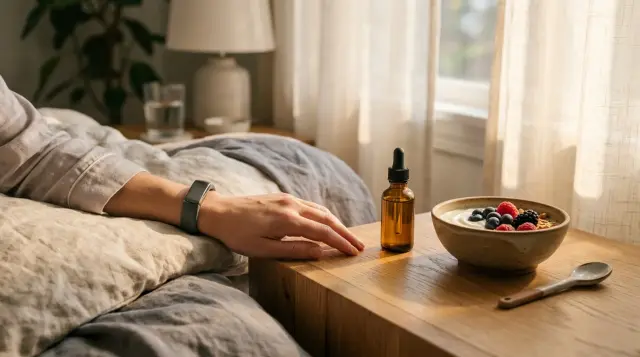
This one tends to split people, so let's stick to what we know. The WHO classifies radiofrequency electromagnetic fields as "possibly carcinogenic to humans" (Group 2B), a classification made by the International Agency for Research on Cancer (IARC) in 2011 [4]. That's the same category as things like talc-based body powder and pickled vegetables. It doesn't mean EMFs definitely cause harm. It means there's enough evidence to warrant caution.
Beyond cancer risk, a growing body of research looks at subtler effects. Studies compiled by the Bioinitiative Working Group suggest potential links between chronic electromagnetic radiation exposure and disrupted sleep, headaches, and oxidative stress. The science isn't fully settled, which is exactly why biohackers pay attention to it. The precautionary principle makes sense here.
From a practical standpoint, reducing EMF exposure is one of the simplest environmental biohacks available. You can learn more about the reasoning behind it on our EMF Health Benefits page. And if you want to take a proactive approach, Proteck'd offers purpose-built clothing that incorporates silver-infused Faraday fabric. The Faraday Health Collection and the Women's Wellness Collection are specifically designed for people who want to reduce their daily electromagnetic field exposure without changing their style.
Quick Q&A
Q: Does EMF-shielding clothing actually work?
A: Yes, fabrics woven with silver or other conductive metals can block a significant percentage of radiofrequency radiation, and the technology has been used in military and medical settings for decades.
You don't have to go off-grid. Simple steps like keeping your phone out of your pocket, using airplane mode at night, and wearing shielding garments can meaningfully lower your exposure. Think of it as environmental hygiene for modern life.
How Does Mindfulness Fit Into a Biohacking Routine?
This might seem like an odd thing to include in a biohacking guide. Meditation doesn't feel very "bio" or very "hacky." But the data tells a different story. Research from Harvard Medical School, led by Dr. Sara Lazar, used MRI scans to show that consistent meditation practice physically changes the brain, increasing cortical thickness in areas tied to attention and self-awareness. Separate studies have shown that mindfulness reduces cortisol, the primary stress hormone, by measurable amounts.
Why does that matter for self-optimization? Because stress is the silent wrecker of every other biohack you attempt. You can eat perfectly, sleep in a pitch-black room, and take every supplement on the market. But if your cortisol is chronically elevated, your body stays stuck in fight-or-flight mode. Nutrient absorption suffers. Sleep quality tanks. Inflammation rises. Stress literally undoes your hard work.
For a practical starting point, I'd recommend our Present-Moment Awareness: The Science-Backed Guide. It covers the research without the woo-woo and gives you actionable techniques you can try in five minutes. Even something as simple as box breathing (four seconds in, hold four, out four, hold four) can downregulate your sympathetic nervous system almost instantly.
A concrete example: Andrew Huberman, a neuroscientist at Stanford, has popularized a technique called the "physiological sigh." It's a double inhale through the nose followed by a long exhale through the mouth. It's been shown to reduce stress in real time and takes about 10 seconds. That's a biohack. No gadgets, no cost, immediate results.
What Are the Actual Risks of Biohacking for Beginners?
Let's be straight about this, because any honest beginner's guide should address safety head-on. The risks are real, but they cluster around specific behaviors. According to the FDA, self-administered gene therapy kits and unapproved injectable supplements pose genuine health dangers. The agency has issued multiple warnings about DIY gene editing products since 2017.
Unregulated supplements are another risk zone. The supplement industry in the United States isn't required to prove safety or efficacy before selling products, thanks to the 1994 Dietary Supplement Health and Education Act (DSHEA). A 2015 study published in the New England Journal of Medicine estimated that supplements cause roughly 23,000 emergency room visits per year in the U.S. That's not a reason to avoid all supplements. But it is a reason to be selective and skeptical.
Extreme fasting protocols can also backfire. While intermittent fasting has solid research support from institutions like the National Institute on Aging, extended water fasts of 72 hours or more carry risks including electrolyte imbalance, muscle loss, and refeeding syndrome. Don't do a five-day water fast because someone on a podcast said it "reset their immune system."
The pattern is clear. The question "is biohacking guide beginners safe" depends entirely on what you're doing. Lifestyle modifications like better sleep, dietary improvements, stress management, and EMF reduction? Very safe. Injecting unregulated peptides you bought from a website? Not safe. Stay on the evidence-based side of the line and you'll be fine.
Where Should a Complete Beginner Actually Start?
Start with an audit. Seriously. Before you buy anything or change anything, spend one week just tracking. Track your sleep, what you eat, how much water you drink, your energy levels throughout the day, and your screen time. Use a notebook or a free app. The goal is to find your biggest bottleneck, because fixing that one thing will give you a disproportionate return.
For most people, that bottleneck is sleep or stress. Sometimes both. If your rest is already solid, maybe your diet needs work. If your diet is clean but you feel foggy and anxious, maybe you're swimming in electromagnetic radiation all day without realizing it. The audit tells you where to aim.
Once you've identified your target, make one change at a time. This is something the self-optimization community often gets wrong. People stack 12 new habits, supplements, and protocols all at once, then have no idea what's working and what isn't. Dr. BJ Fogg, a behavior scientist at Stanford, calls this the "Tiny Habits" approach. His research confirms that single, small changes stick better and compound over time.
A sample 30-day beginner plan might look like this. Week one: get sunlight within 30 minutes of waking and set a consistent bedtime. Week two: add 30 different plant foods to your weekly diet. Week three: introduce a five-minute daily mindfulness practice. Week four: reduce evening screen time and explore EMF-shielding options from the Faraday Health Collection. That's a whole month of biohacking, and none of it is expensive or risky.
The best biohacking strategy for beginners isn't the flashiest one. It's the one you'll actually do consistently.
Frequently Asked Questions
Q: Is biohacking safe for beginners with no health background?
Yes, it's safe when you stick to lifestyle-based approaches. Improving sleep, eating more whole foods, practicing mindfulness, and reducing environmental stressors are all low-risk and well-supported by research. The danger zone starts when people try unregulated supplements or DIY medical procedures.
Q: What is the easiest biohack to start with?
Fixing your sleep schedule. It's free, it requires no special equipment, and the CDC confirms that adequate sleep (7+ hours for adults) improves nearly every health marker. Set a consistent bedtime, get morning sunlight, and keep devices out of the bedroom.
Q: Do biohacking supplements actually work?
Some do, some don't, and many haven't been adequately tested. The U.S. supplement industry isn't required to prove efficacy before selling products. If you want to try supplements, stick to well-researched options like magnesium, vitamin D, or omega-3s, and ideally get bloodwork first to identify actual deficiencies.
Q: How much does biohacking cost?
It can cost nothing. The most effective biohacks, including sleep optimization, dietary changes, sunlight exposure, and stress management techniques, are free. Wearable trackers and EMF-shielding clothing are optional upgrades, not requirements.
Q: Can biohacking help with anxiety and mental health?
Research supports several biohacking-adjacent practices for anxiety. Harvard Medical School studies show that mindfulness meditation reduces cortisol, and sleep optimization directly impacts emotional regulation. These aren't replacements for professional mental health care, but they're powerful complementary tools.
Q: Is EMF shielding a real biohack or pseudoscience?
EMF shielding is based on real physics. Conductive metals like silver block radiofrequency radiation, and this technology has been used in military and medical applications for decades. The health debate isn't about whether shielding works, but about how much everyday EMF exposure matters. The WHO classifies RF fields as possibly carcinogenic, so a precautionary approach is reasonable.
Q: How long does it take to see results from biohacking?
It depends on the intervention. Sleep improvements can show results within days. Gut health changes typically take two to four weeks to become noticeable. Mindfulness benefits are often measurable within eight weeks, based on research from Harvard and the University of Massachusetts Medical School.
Q: What biohacking practices should beginners avoid?
Beginners should avoid DIY gene therapy kits, unregulated injectable supplements, extended water fasts over 72 hours without medical supervision, and any protocol that requires you to buy something from the same person recommending it without independent research. Stick to interventions that have published, peer-reviewed evidence behind them.
Q: Is intermittent fasting considered biohacking?
Yes, intermittent fasting is one of the most popular biohacking strategies out there. Research from the National Institute on Aging suggests it may improve metabolic health and cellular repair. The most common approach is time-restricted eating, typically an 8-hour eating window. Start conservatively and listen to your body.
Q: Can I biohack without any technology or gadgets?
Absolutely. Most foundational biohacks are technology-free: morning sunlight exposure, consistent sleep schedules, diverse plant-based diets, cold showers, breathwork, and movement. Gadgets can help you track progress, but they're optional, not mandatory.
References
- Trends in Biotechnology (Cell Press) – A 2019 review classified most consumer biohacking as low-risk lifestyle modification
- Centers for Disease Control and Prevention – More than a third of American adults don't get the recommended 7 or more hours of sleep per night
- National Institutes of Health - Human Microbiome Project – The gut contains roughly 100 trillion microorganisms that influence immunity and mood
- WHO / International Agency for Research on Cancer – The WHO/IARC classifies radiofrequency electromagnetic fields as possibly carcinogenic to humans (Group 2B)
About the Author
Proteck'd EMF Apparel
Health & EMF Specialists
The Proteck'd team covers EMF protection, silver-fiber apparel, and practical ways to reduce everyday radiation exposure. Every piece Proteck'd ships is designed, tested, and worn by the people who build it.
Get the Free EMF Home Audit Checklist
A room-by-room PDF that walks you through the biggest EMF sources in your house and what to do about each one. No cost, no fluff.
Download the Checklist →✓30-day returns✓Free shipping✓Free returns✓Silver fiber shielding


Leave a comment