


Cold Water Therapy: Does It Actually Work?

You've probably seen the videos. Some shirtless guy steps into a tub of ice water, gasps for thirty seconds, then claims he's cured his anxiety, fixed his metabolism, and unlocked superhuman focus. Cold plunging has gone from a niche athletic recovery trick to a full-blown wellness movement, complete with $5,000 home tubs and celebrity endorsements. But if you're wondering how does cold plunge benefits research work, and whether the science actually supports the hype, the answer is: it's complicated.
Here's the honest truth. Cold water therapy does some things really well, and the research backs those things up with solid data. It also gets credit for a lot of things it probably doesn't do, or at least doesn't do as dramatically as influencers would have you believe. The gap between what's proven and what's marketed? Wide enough to drive a truck through.
I spent a lot of time reading the actual studies on cold water immersion, ice bath therapy, and cold exposure. Not the blog posts summarizing the studies. The studies themselves. What I found is a picture that's genuinely interesting but far more nuanced than either the evangelists or the skeptics want to admit.
So let's break it down. What happens in your body when you hit cold water? What does the research measure, and how? Where is the evidence strong, where is it weak, and where are the real risks? Whether you're already a cold plunger or just cold-curious, you deserve straight answers.
Key Takeaways
What Actually Happens to Your Body During a Cold Plunge?
The moment your skin hits water below about 59°F (15°C), your body launches what researchers call the cold shock response. Your sympathetic nervous system fires up hard. Heart rate spikes. Blood pressure jumps. You gasp involuntarily, which is why drowning is a genuine risk in open water. Blood vessels in your extremities constrict, shunting blood toward your core to protect your organs.
Within about 30 to 90 seconds, your body starts adapting. Breathing slows. The initial panic fades. And this is where things get interesting from a biochemistry perspective: your adrenal glands start dumping norepinephrine into your bloodstream. Research published in the European Journal of Applied Physiology found that immersion in 57°F water increased norepinephrine levels by 200 to 300 percent [1]. That's not a small bump. That's a massive neurochemical surge.
Norepinephrine is the molecule that gets the most attention in cold exposure therapy science, and for good reason. It's linked to alertness, focus, and mood regulation. It also plays a role in reducing inflammation. Stanford neuroscientist Dr. Andrew Huberman has talked extensively about how this single mechanism likely explains why people feel so good after a cold plunge, even when the experience itself is miserable.
Quick Q&A
Q: How long do you need to stay in cold water to get the norepinephrine boost?
A: Most studies showing significant norepinephrine increases used immersion times of 1 to 3 minutes at temperatures between 50°F and 59°F.
Your body also releases dopamine during and after cold immersion. A small but frequently cited study showed dopamine levels rising by about 250 percent and staying elevated for several hours. This is why cold plunging feels almost addictive to some people. The neurochemical cocktail is real, even if the downstream health claims built on top of it are sometimes exaggerated.
How Does Cold Plunge Benefits Research Actually Get Conducted?
Understanding how does cold plunge benefits research work requires knowing what scientists actually measure, because it's not what most people think. Researchers don't just ask people, "Hey, do you feel better?" They're collecting blood samples, measuring core body temperature with rectal or esophageal probes (yes, really), using MRI to image brown fat activation, and tracking biomarkers like C-reactive protein, interleukin-6, and cortisol over hours and days.
A typical cold water immersion study involves a controlled group that sits in thermoneutral water (around 95°F) and an experimental group that sits in cold water, usually between 50°F and 59°F. The gold standard is a randomized controlled trial, or RCT. The challenge? You can't really "blind" someone to whether they're sitting in ice water. Everybody knows. That makes placebo effects incredibly hard to control for, and it's a fair critique that skeptics raise.
The most comprehensive look at the data came from a 2024 meta-analysis published in Sports Medicine that aggregated results from studies involving over 3,000 participants [2]. Meta-analyses are powerful because they combine data from many individual studies to find patterns that any single study might miss. This particular review found consistent reductions in perceived muscle soreness after cold water immersion, but the effects on actual performance metrics like strength and power output were mixed.
If you're interested in the broader world of evidence-based wellness practices beyond cold therapy, we put together a deep look at Biohacking Techniques That Actually Work: What the Research Shows that covers several protocols with solid scientific backing.
Does Cold Water Immersion Really Reduce Inflammation?
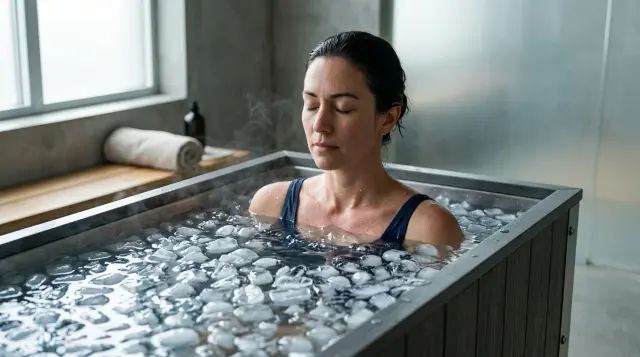
This is one of the biggest claims in the cold plunge world, and it has a kernel of real truth wrapped in a lot of overstatement. Cold water immersion does reduce inflammation, at least in the short term. When you constrict blood vessels and then rewarm, you get a pumping effect that helps flush metabolic waste products from tissues. The norepinephrine surge also has direct anti-inflammatory properties.
Research from the Cleveland Clinic notes that cold therapy has been used in sports medicine for decades precisely because it reduces swelling and inflammatory markers after intense exercise [3]. Athletes who use ice bath recovery after endurance events like marathons or cycling stages consistently report less soreness in the 24 to 72 hours afterward. The data backs this up.
But here's the catch, and it's a big one. Inflammation after exercise isn't always bad. It's actually part of how your muscles adapt and grow. A 2023 study published in the Journal of Physiology found that cold water immersion performed after resistance training blunted muscle protein synthesis by about 20 percent. Put simply: if you're trying to build muscle, that post-workout cold plunge might be working against you. Researchers at the Queensland University of Technology who led this work specifically warned against routine cold immersion after strength training.
So the inflammation reduction benefit is real for endurance athletes and people dealing with acute soreness, but counterproductive if your goal is hypertrophy. Context matters enormously, and that nuance gets lost in most of the marketing.
Cold plunging probably won't transform your health overnight. But the neurochemical data is real, the mood benefits are consistent, and done safely, the evidence suggests it can be a genuinely valuable tool in a broader wellness practice.
Can Cold Plunging Improve Your Mental Health and Focus?
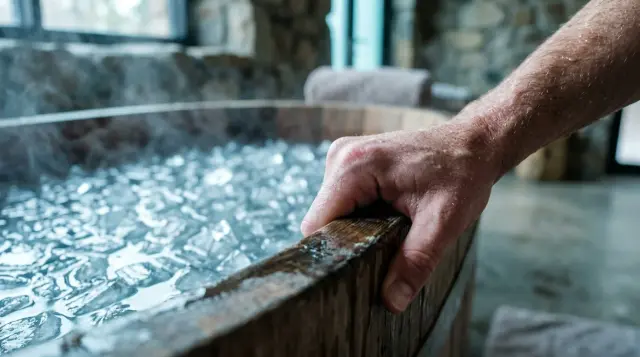
This is where the evidence gets genuinely exciting, and I think it's the strongest case for cold exposure therapy. The norepinephrine and dopamine surges aren't just abstract biochemistry. They translate into measurable changes in mood, alertness, and perceived well-being.
A 2023 large-scale survey study published in PLOS ONE tracked over 700 regular cold water swimmers and found significant self-reported improvements in mood, energy, and stress resilience compared to non-swimmers. Now, survey studies have obvious limitations. People who voluntarily jump into cold water might be different from the general population in ways that skew the results. But the neurochemical data provides a believable mechanism for why these reports are so consistent.
Dr. Susanna Søberg, a researcher at the University of Copenhagen, has published work suggesting that as little as 11 minutes of total cold exposure per week (spread across multiple sessions) was associated with measurable improvements in mood and metabolic markers. That's a surprisingly low bar. You don't need to sit in an ice bath for 20 minutes to get something out of it.
Quick Q&A
Q: Is cold plunging as effective as medication for depression?
A: No clinical trial has shown cold water immersion to be equivalent to established depression treatments like SSRIs or CBT, though preliminary data suggests it could be a useful complementary practice for mild mood issues.
Mental clarity and focus tend to pair well with other biohacking strategies. If you're building a wellness stack, reducing environmental stressors can amplify the benefits of practices like cold exposure. That's part of why people interested in optimizing their biology also look at things like EMF Health Benefits and reducing their digital exposure. We've written about practical approaches in our Digital Detox: How to Actually Do It guide.
What About Fat Loss and Metabolism? Are Brown Fat Claims Real?
Let's talk about brown fat, because it's become the darling of cold plunge marketing. Brown adipose tissue (BAT) is metabolically active fat that burns calories to generate heat. Cold exposure does activate it. That part is true. Research from Maastricht University in the Netherlands confirmed that repeated cold exposure increased brown fat activity in subjects over a period of weeks.
But here's the number the ads don't mention: the actual caloric burn from brown fat activation during a typical cold plunge session is only about 15 extra calories. Fifteen. That's less than a single bite of an apple. Even with regular cold exposure over time, the metabolic boost from brown fat is modest at best. Honestly, you'd be better off going for a 10-minute walk.
The cold plunge benefits research on metabolism shows something that doesn't make for great marketing copy: cold exposure might help with insulin sensitivity and blood sugar regulation, but the studies are small and short-term. NPR's health team spoke with researchers who noted that while animal studies on cold and metabolic health are promising, human data is still in early stages [4]. We're years away from being able to say cold plunging meaningfully affects body composition.
If you're interested in evidence-based approaches to metabolism and wellness, the honest move is to focus on the things with mountains of research behind them: sleep, nutrition, exercise, and stress management. Our guide on Getting Better Sleep: The Complete Guide covers one of the highest-return health optimizations you can make, and it won't cost you a $5,000 tub.
What Are the Real Risks of Cold Water Therapy?
Every cold plunge article needs to take the risks seriously, because they're not trivial. The American Heart Association has issued warnings about sudden cold water immersion for people with cardiovascular conditions. The cold shock response causes an immediate spike in heart rate and blood pressure, which can trigger dangerous cardiac arrhythmias in people with underlying heart disease. People have died doing this.
Hypothermia is the other obvious risk, and it can sneak up on you. Your body temperature continues to drop even after you get out of the water, a phenomenon called "afterdrop." Dr. Mike Tipton, a cold water physiologist at the University of Portsmouth, has written extensively about how afterdrop catches people off guard and can lead to dangerous core temperature drops 15 to 20 minutes after exiting cold water.
There's also the issue of cold urticaria, an allergic reaction to cold that causes hives, swelling, and in severe cases, anaphylaxis. It's rare but real. And for people with Raynaud's disease, cold immersion can cause dangerous reduction of blood flow to extremities.
The bottom line: if you have any cardiovascular condition, are on blood pressure medication, or have a history of cold-related allergic reactions, talk to your doctor before trying cold water immersion. This isn't a liability disclaimer. It's genuinely important medical advice. The Mayo Clinic specifically recommends physician consultation before starting cold water therapy for anyone with heart or circulatory conditions [3].
How Should You Start Cold Plunging Safely?
If you've read this far and still want to try cold water therapy (and honestly, there are good reasons to), here's how to do it without being reckless. Start with cold showers, not full immersion. End your normal shower with 15 to 30 seconds of the coldest water you can stand. Do that for a week or two. Your body will begin to adapt to the cold shock response, and you'll learn how your system reacts.
When you move to immersion, start at around 60°F, which is cold but not extreme. Stay in for one to two minutes maximum. Have someone nearby, especially for your first few sessions. Never cold plunge alone in open water. The University of Portsmouth's cold water research group recommends always having a buddy and never jumping into cold water. Entering gradually gives your body time to manage the shock response.
Timing matters too. Based on the research, avoid cold immersion within four hours of resistance training if muscle growth is your goal. For endurance recovery, cold water immersion within 30 minutes of exercise appears to be most effective. And if you're using cold plunging primarily for the mood and focus benefits, the time of day doesn't seem to matter much, though many practitioners prefer morning sessions for the alertness boost.
Pairing cold exposure with an overall wellness-oriented lifestyle amplifies the benefits. People who are serious about biohacking often stack multiple evidence-based practices together. Our The Top Biohacks: What the Research Shows article covers several that complement cold therapy well. And if you're looking to reduce environmental stressors as part of your health optimization, the Faraday Health Collection and Women's Wellness Collection from Proteck'd offer EMF-shielding clothing that fits into a broader approach to minimizing the stressors your body deals with daily.
Where Does the Science Go From Here?
The research on cold water immersion is accelerating. Five years ago, most of what we had were small studies with 10 to 20 participants, limited controls, and short observation windows. That's changing. Larger randomized trials are underway, and the 2024 and 2025 meta-analyses have given us much better data to work with.
The areas to watch are mental health applications (there are ongoing clinical trials looking at cold water immersion as an adjunct treatment for depression), the long-term metabolic effects of regular cold exposure, and the interaction between cold therapy and other recovery methods. Researchers at the University of Portsmouth are also studying how adaptation to cold changes over time, and whether the benefits plateau or keep building.
What I find most interesting about understanding how does cold plunge benefits research work is that it forces you to think clearly about what "evidence" actually means. A single study doesn't prove anything. A meta-analysis is stronger. But even the best research has limitations, and the gap between "statistically significant" and "life-changing" is real. Cold plunging probably won't transform your health. But done safely and consistently, the evidence suggests it can meaningfully boost your mood, support your recovery from endurance exercise, and build genuine mental toughness.
The key is approaching cold exposure the way you should approach any wellness practice: with realistic expectations, respect for the risks, and a willingness to let the data, not the hype, guide your decisions. If you're building a broader approach to health optimization that includes managing your sleep, your stress, your screen time, and your environment, cold water therapy can be a solid piece of the puzzle. For more on the digital side of that equation, check out our Digital Detox: The Complete Guide.
Frequently Asked Questions
Q: How long should you stay in a cold plunge?
Most research showing benefits uses immersion times of 1 to 3 minutes at temperatures between 50°F and 59°F. Longer isn't necessarily better, and staying in too long increases your risk of hypothermia. Dr. Susanna Søberg's research suggests 11 total minutes of cold exposure per week, spread across multiple sessions, is enough.
Q: What temperature should a cold plunge be?
The most-studied range is 50°F to 59°F (10°C to 15°C). That's cold enough to trigger the norepinephrine response but not so extreme that it poses immediate hypothermia risk for short sessions. If you're new to this, start closer to 60°F and work your way down.
Q: Is cold plunging dangerous for your heart?
It can be. The sudden cold shock response spikes heart rate and blood pressure, which can trigger arrhythmias in people with underlying cardiovascular conditions. The American Heart Association recommends caution, and anyone with heart disease, high blood pressure, or circulatory disorders should consult a doctor first.
Q: Does cold plunging help you lose weight?
The evidence for weight loss is very weak. Cold exposure does activate brown adipose tissue, but research from Maastricht University showed this only burns about 15 extra calories per session. That's negligible for fat loss. Based on current data, cold plunging shouldn't be considered a weight loss tool.
Q: Should you cold plunge after lifting weights?
Probably not if your goal is muscle growth. A 2023 study in the Journal of Physiology found that cold water immersion after resistance training reduced muscle protein synthesis by about 20 percent. If you strength train and still want to cold plunge, do it on rest days or at least four hours after your workout.
Q: Can cold plunging help with depression or anxiety?
Early evidence is encouraging but not conclusive. The large norepinephrine and dopamine increases from cold immersion have believable antidepressant mechanisms, and survey studies show consistent self-reported mood improvements. That said, no clinical trial has compared cold water immersion head-to-head with established treatments like SSRIs or cognitive behavioral therapy.
Q: Is a cold shower the same as a cold plunge?
Not exactly. Full body immersion produces a stronger and more uniform physiological response than a shower because more skin surface area is exposed at once. Still, cold showers trigger the cold shock response and norepinephrine release, making them a perfectly good starting point for beginners.
Q: How often should you cold plunge per week?
Research from Dr. Susanna Søberg at the University of Copenhagen suggests 2 to 4 sessions per week, totaling about 11 minutes of cold exposure, is associated with mood and metabolic benefits. More isn't always better. Daily cold plunging hasn't been shown to produce proportionally greater results.
Q: Does cold plunging boost your immune system?
The evidence is mixed and mostly preliminary. Some studies have found changes in white blood cell counts and immune markers after regular cold exposure, but no large randomized controlled trial has demonstrated that cold plunging actually reduces how often you get sick. The immune claims are currently ahead of the science.
Q: What is afterdrop, and why is it dangerous?
Afterdrop is the continued decline in your core body temperature that happens after you get out of cold water. Cold blood pooled in your extremities flows back to your core, cooling it further. This can happen 15 to 20 minutes after you exit, and it's the reason some people experience dizziness, confusion, or even collapse well after a cold plunge.
References
- PubMed - European Journal of Applied Physiology – Cold water immersion at 57°F increases norepinephrine levels by 200 to 300 percent
- Sports Medicine (via PubMed) – A meta-analysis of over 3,000 participants found cold water immersion reduced delayed-onset muscle soreness after exercise
- Cleveland Clinic – Cold therapy reduces swelling and inflammatory markers after intense exercise; physician consultation recommended before starting cold water therapy for those with cardiovascular conditions
- Mayo Clinic – Cold water immersion carries cardiovascular risks and requires medical clearance for individuals with heart or circulatory conditions
About the Author
Proteck'd EMF Apparel
Health & EMF Specialists
The Proteck'd team covers EMF protection, silver-fiber apparel, and practical ways to reduce everyday radiation exposure. Every piece Proteck'd ships is designed, tested, and worn by the people who build it.
Protect Yourself Today
Proteck'd Faraday and silver fiber apparel is engineered to shield your body from everyday EMF exposure. Built for real life, tested for real results.
Shop EMF Protection →✓30-day returns✓Free shipping✓Free returns✓Silver fiber shielding


Hinterlassen Sie einen Kommentar