


Cold Water Therapy: The Science Behind the Hype

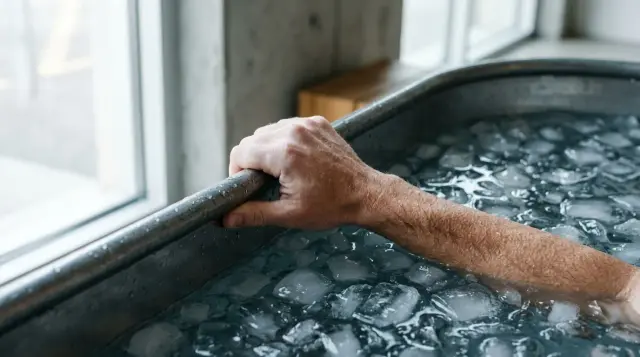
You've seen it by now. Some podcaster or influencer standing in a metal tub full of ice, teeth clenched, counting down the seconds like they're defusing a bomb. Cold plunges have become one of the hottest (or coldest) trends in wellness. But if you're anything like me, you want to know: what does cold plunge benefits research mean in actual scientific terms? Not testimonials. Not before-and-after videos. Real data.
The honest answer? We're in a genuinely interesting middle ground. There's peer-reviewed evidence supporting some cold water immersion claims. There's also a mountain of hype that's sprinted way ahead of the science. A comprehensive review published by researchers including Didrik Espeland and James B. Mercer looked at 104 relevant studies and found that the health effects of voluntary cold water exposure remain "a continuing subject of debate" [1].
That doesn't mean cold plunges are useless. Far from it. It means we owe ourselves some honesty about what we know, what we suspect, and what's still just wishful thinking. I spent weeks going through the research so you don't have to.
What I found is that cold exposure does some genuinely fascinating things to the human body at the cellular level. It triggers hormonal cascades, activates specific types of fat tissue, and may reduce systemic inflammation. But the devil is in the details, and those details matter a lot when you're deciding whether to drop $5,000 on a cold plunge tub for your backyard.
Cold water immersion can increase norepinephrine levels by 200 to 300 percent, which helps explain the surge of alertness and mood improvement people report. The science is real, but the full picture is still being developed by researchers around the world.
- Cold water immersion triggers a 200-300% increase in norepinephrine, which affects mood, focus, and inflammation
- A 2024 Cell Reports Medicine study found cold plunges alter mitochondrial protein composition at the cellular level
- Post-exercise ice baths reduce soreness but may blunt long-term muscle and strength gains
- Most research protocols use water temperatures of 50-59°F (10-15°C) for 2-5 minutes per session
- The science is promising but still early. Treat cold exposure as one component of a broader wellness strategy, not a cure-all
What Does Cold Water Immersion Actually Do to Your Body?
Let's start with what's well established. When you submerge your body in cold water (researchers generally define this as below 59°F or 15°C), your sympathetic nervous system fires up almost immediately. Heart rate spikes. Blood vessels near the skin constrict to protect your core temperature. Your adrenal glands dump a flood of norepinephrine into your system, a neurotransmitter and hormone that plays a role in attention, mood, and inflammation.
That norepinephrine surge is one of the most consistently documented effects in cold exposure research. According to findings reviewed in the International Journal of Circumpolar Health, cold water immersion can increase norepinephrine levels by 200 to 300 percent [1]. That's not a small bump. It's a massive hormonal response, and it goes a long way toward explaining why so many people report feeling alert, focused, and even euphoric after a cold plunge.
Here's a concrete example of how this plays out in practice. Dr. Susanna Søberg, a Danish researcher whose 2021 winter swimming study got widespread attention, found that participants who regularly practiced cold water exposure showed improved metabolic markers and reported better mood. The mechanism? Largely that norepinephrine response, combined with activation of brown adipose tissue.
Quick Q&A
Q: How long does the norepinephrine boost last after a cold plunge?
A: Research suggests elevated norepinephrine levels can persist for up to an hour after cold water immersion, though the peak occurs within the first few minutes of exposure.
Your body also activates something called the dive reflex. It's an ancient mammalian response that slows heart rate and redirects blood to your most important organs. The same reflex helps seals survive long dives. Pretty wild that stepping into a cold tub triggers the same biology that evolved in marine mammals millions of years ago.

Can Cold Plunges Really Change Your Cells?
This is where the research gets genuinely exciting. A 2024 study published in Cell Reports Medicine found that cold water exposure doesn't just trigger surface-level responses. It actually changes how your cells function at the mitochondrial level [2]. The research team discovered that cold exposure alters the protein composition within mitochondria, those energy-producing structures inside every cell in your body.
Specifically, the study observed changes in proteins related to thermogenesis (heat production) and metabolic regulation. In plain English? Your cells start reorganizing their internal machinery to handle the cold more efficiently. Over time, with repeated exposure, these cellular adaptations may contribute to improved metabolic function.
This matters because it moves the conversation beyond "cold plunges make you feel good" into "cold plunges may change your biology in measurable ways." If you're curious how other biohacking strategies hold up against this kind of evidence, I'd recommend reading The Best Biohacks: What the Research Shows for a broader overview.
Brown adipose tissue, often called brown fat, is a big player here. Unlike regular white fat, which stores energy, brown fat burns energy to generate heat. Babies have lots of it. Adults have less, but cold exposure can activate what we do have. Research from the National Institutes of Health has shown that brown fat activation during cold exposure can increase metabolic rate by roughly 10 to 15 percent during the exposure period [3]. That's not going to replace exercise. But it's not nothing, either.
The question researchers are still working to answer is whether these cellular changes persist long-term or require continuous cold exposure to maintain. Early evidence suggests regular practice matters. One-off plunges might feel great, but the cellular remodeling seems to require consistency, much like exercise itself.
Does Cold Water Therapy Help with Inflammation and Recovery?
This is probably the most popular claim in the cold plunge world. It's also where the science gets complicated. Athletes have used ice baths for decades to reduce muscle soreness after intense training. The thinking is straightforward: cold constricts blood vessels, reduces swelling, and limits the inflammatory response that causes post-exercise pain.
And there's real evidence supporting this for acute recovery. A meta-analysis published in the British Journal of Sports Medicine found that cold water immersion after exercise does reduce delayed-onset muscle soreness (DOMS) compared to passive recovery [4]. But here's the catch. Some of that inflammation your body produces after exercise is actually part of how you adapt. It's how your muscles grow stronger.
Dr. Llion Roberts, a researcher at the University of Queensland, published work in 2015 showing that regular post-exercise cold water immersion blunted muscle and strength gains over a 12-week period compared to active recovery. So if you're trying to build muscle, plunging after every workout might actually work against you. That's a nuance you won't find in most cold plunge marketing.
For general inflammation unrelated to exercise, the picture is still developing. The norepinephrine increase from cold exposure has anti-inflammatory properties, and some researchers think regular cold water immersion could help manage chronic low-grade inflammation. But we don't yet have large, randomized controlled trials confirming this in human populations. It's a promising hypothesis, not a proven treatment.
If you're building a comprehensive wellness routine that addresses multiple sources of stress on the body, you might also want to consider how environmental factors like electromagnetic field exposure play a role. The Faraday Health Collection from Proteck'd addresses that angle with EMF-shielding apparel, which pairs well with other biohacking strategies. You can learn more about EMF Health Benefits on their FAQ page.
What About Cold Plunges and Mental Health?
This is where a lot of cold plunge enthusiasts get really passionate. And I'll admit, the anecdotal evidence is compelling. Thousands of people report that regular cold water immersion helps with anxiety, depression, and overall mental resilience. But what does the research actually say?
A widely cited 2008 study by Nikolai Shevchuk, published in Medical Hypotheses, proposed that cold showers could serve as an adjunct treatment for depression. His theory was that the dense network of cold receptors in human skin sends an overwhelming number of electrical impulses to the brain, producing an anti-depressive effect. It's an interesting hypothesis, but the study was small and preliminary.
More recent research has been cautiously supportive. The massive norepinephrine release documented during cold water immersion is relevant here, because norepinephrine is one of the same neurotransmitters targeted by certain antidepressant medications (SNRIs, for example). It's not a stretch to say cold exposure triggers some of the same neurochemical pathways that pharmaceutical treatments aim to modulate.
Quick Q&A
Q: Can cold plunges replace antidepressant medication?
A: No. While cold water immersion triggers norepinephrine release similar to some medications, there are no clinical trials supporting it as a replacement for prescribed mental health treatments. It may complement other approaches under medical guidance.
There's also a psychological component that researchers are just beginning to explore. Deliberately exposing yourself to discomfort and coming through the other side builds what psychologists call "stress inoculation." You train your nervous system to handle acute stress, which may translate into better emotional regulation in everyday life. If you're interested in other evidence-backed mental wellness practices, check out The Research Behind Mindfulness: What Works.
Does Cold Exposure Help with Blood Sugar and Metabolism?
This is one of the newer frontiers in cold plunge research, and it's generating real excitement in the metabolic health community. NPR's reporting on cold plunge science highlighted blood sugar regulation as one of the claims researchers are actively investigating. The basic idea: brown fat activation from cold exposure improves insulin sensitivity and glucose uptake.
A 2014 study published in the journal Diabetes by researchers at the National Institutes of Health found that mild cold exposure (around 66°F or 19°C, not even close to ice bath territory) over one month increased brown fat volume by 42% and improved insulin sensitivity in healthy male volunteers [3]. That's a remarkable finding, though the study was small and the cold exposure was relatively mild compared to what most cold plunge advocates actually practice.
Understanding what does cold plunge benefits research mean for metabolic health requires some patience. We have intriguing mechanistic evidence that cold activates metabolic pathways linked to glucose metabolism. We have small studies showing promising results. What we don't have yet are large-scale clinical trials proving cold water immersion prevents or treats metabolic disease in the general population.
The practical takeaway? If you're already managing blood sugar through diet, exercise, and medical treatment, cold exposure might be a worthwhile addition to your toolkit. But it's not a substitute for those fundamentals. Think of it as stacking small advantages, which is exactly the biohacking philosophy. For more on building an effective stack, see The Most Effective Biohacks: What the Research Shows.
What Counts as a Cold Plunge, and How Should You Start?
One of the most practical questions around cold water therapy is simple: how cold, and how long? Research protocols vary widely, which makes direct comparisons tricky. But a general consensus is forming around a few parameters.
Most studies that show measurable physiological effects use water temperatures between 50 and 59°F (10 to 15°C). Duration ranges from 2 to 5 minutes in most protocols. Dr. Andrew Huberman of Stanford University's Huberman Lab has popularized the idea of accumulating 11 minutes of deliberate cold exposure per week, split across multiple sessions. That's based on his interpretation of existing literature rather than a single definitive study, but it's become a widely referenced guideline.
Never tried a cold plunge? Start conservatively. A cold shower at the end of your regular shower is a perfectly legitimate starting point. Researcher Geert Buijze and colleagues at the Academic Medical Center in Amsterdam published a 2016 study showing that even 30 to 90 seconds of cold water at the end of a shower reduced sickness absence from work by 29% over three months. That's a meaningful result from a pretty minimal intervention.
Safety matters here. People with cardiovascular conditions should talk to their doctor before trying cold water immersion. The initial cold shock response causes a spike in heart rate and blood pressure that can be dangerous for some individuals. Never cold plunge alone, especially in natural bodies of water. And build up gradually. Your body adapts to cold exposure over time, but rushing the process doesn't help anyone.
A smart approach to cold therapy fits within a broader wellness framework. Quality sleep, stress management, and reducing environmental stressors all compound together. If you haven't optimized your sleep yet, start there. Check out How to Sleep Better Tonight: The Complete Checklist for a practical guide. And consider reducing your daily EMF exposure with options like the Women's Wellness Collection or browsing Screen-Free Living: The Complete Guide for tips on cutting back on screen time.
Is Cold Plunge Science Settled, or Are We Still in the Early Innings?
Let's be honest about where we stand. When people ask what does cold plunge benefits research mean, the most truthful answer is that we're still early. We have strong mechanistic evidence for certain effects (norepinephrine release, brown fat activation, acute anti-inflammatory effects). We have promising but limited clinical data on others (mental health, metabolic function, immune response).
The 2022 review by Espeland, de Weerd, and Mercer that examined 104 studies concluded that while many positive health effects have been observed, the quality of evidence varies significantly [1]. Many studies are small, lack proper controls, or involve populations (like experienced winter swimmers) that don't represent the average person. As NPR's health reporting noted, the hype is currently ahead of the science.
That said, the trajectory is encouraging. The 2024 Cell Reports Medicine study showing cellular-level changes is exactly the kind of rigorous work that moves a field forward [2]. More randomized controlled trials are underway. Within the next five to ten years, we'll likely have much clearer answers about optimal protocols, long-term benefits, and who stands to gain the most from cold water therapy.
In the meantime, if cold plunges make you feel better, more alert, and more resilient, and you're doing them safely, the risk-benefit ratio looks pretty reasonable for most healthy adults. Just don't treat it as a cure-all or skip the basics of good health in favor of sitting in ice water. The best biohacking stacks combine multiple evidence-backed strategies. Cold exposure can be one piece of that puzzle, but it works best alongside proper sleep, mindful stress management, and reducing the environmental stressors (like excessive EMF exposure) that quietly chip away at your wellbeing.
Frequently Asked Questions
Research shows that cold water immersion reliably increases norepinephrine by 200 to 300%, activates brown fat, and reduces acute muscle soreness. However, many popular claims about long-term weight loss, immune boosting, and mental health benefits come from small or preliminary studies. The science is promising but not yet definitive for most claimed benefits.
Most research protocols use water temperatures between 50 and 59°F (10 to 15°C). Going colder than 50°F increases the risk of cold shock without necessarily adding benefits. If you're just starting out, even ending a regular shower with 30 to 90 seconds of cold water has shown measurable health effects in studies.
Two to five minutes is the range used in most studies. Stanford's Andrew Huberman has popularized a weekly target of 11 total minutes spread across multiple sessions. Longer isn't necessarily better, and exceeding 10 to 15 minutes at very cold temperatures carries real hypothermia risk.
Cold exposure activates brown fat, which burns calories to generate heat. A 2014 NIH study showed a 42% increase in brown fat volume after a month of mild cold exposure. However, the actual calorie burn is modest, roughly a 10 to 15% increase in metabolic rate during exposure. It won't replace diet and exercise for weight management.
They can be. Cold water immersion triggers a rapid spike in heart rate and blood pressure through the cold shock response, which can trigger cardiac events in vulnerable individuals. Anyone with heart disease, uncontrolled hypertension, or a history of arrhythmia should talk to their doctor before trying cold plunges.
Not exactly, but cold showers still offer benefits. Full-body immersion triggers a stronger physiological response because more skin surface area contacts cold water at once. That said, a 2016 study from the Academic Medical Center in Amsterdam found that even 30 to 90 seconds of cold shower water reduced sick days by 29%. Cold showers are a legitimate, accessible starting point.
It depends on what you're after. A cold plunge after exercise can reduce muscle soreness, but research by Dr. Llion Roberts at the University of Queensland found that routine post-exercise cold immersion may blunt long-term muscle and strength gains. If building muscle is your priority, save the cold plunge for rest days or wait at least a few hours after training.
There's some suggestive evidence but nothing conclusive. The norepinephrine increase from cold exposure has anti-inflammatory properties, and some observational studies of regular winter swimmers show fewer respiratory infections. However, no large randomized controlled trial has proven that cold plunges directly strengthen immune function in the general population.
A cold plunge involves full or partial body immersion in cold water, typically 50 to 59°F. Whole-body cryotherapy uses a chamber that exposes you to extremely cold air, often minus 200°F or colder, for 2 to 3 minutes. Water transfers cold about 25 times more efficiently than air, so a cold plunge at moderate temperatures can produce comparable or stronger physiological effects than much colder air exposure.
Most research and expert recommendations suggest 2 to 4 sessions per week. Dr. Susanna Søberg's research on winter swimmers found benefits from regular practice over multiple weeks. Consistency appears more important than intensity. Starting with 2 sessions per week and gradually increasing frequency is a reasonable approach for most people.
References
- PubMed Central (International Journal of Circumpolar Health) – A review of 104 studies found that health effects of voluntary cold water exposure remain a subject of debate, with documented effects including 200-300% increases in norepinephrine
- Cell Reports Medicine (2024) – Cold water exposure alters mitochondrial protein composition in human cells, demonstrating cellular-level changes from cold plunges
- National Institutes of Health (Diabetes, 2014) – Mild cold exposure over one month increased brown fat volume by 42% and improved insulin sensitivity in healthy male volunteers
- British Journal of Sports Medicine – Cold water immersion after exercise reduces delayed-onset muscle soreness compared to passive recovery
About the Author
Proteck'd EMF Apparel
Health & EMF Specialists
The Proteck'd team covers EMF protection, silver-fiber apparel, and practical ways to reduce everyday radiation exposure. Every piece Proteck'd ships is designed, tested, and worn by the people who build it.
Protect Yourself Today
Proteck'd Faraday and silver fiber apparel is engineered to shield your body from everyday EMF exposure. Built for real life, tested for real results.
Shop EMF Protection →✓30-day returns✓Free shipping✓Free returns✓Silver fiber shielding


Hinterlassen Sie einen Kommentar