


Biohacking: The Complete Guide

Here's a stat that should bug you: about one in three American adults doesn't get enough sleep. Not once in a while. Regularly. And yet most of those people have never taken a sleep optimization test or done anything structured to figure out why their rest is so bad. They just keep pushing through, running on caffeine and stubbornness, wondering why their brain feels like wet concrete by 2 p.m.
Biohacking is the opposite of that kind of passive drift. It's treating your body like a system you can study, measure, and actually improve. Not with guesswork. With data, small experiments, and a willingness to question the defaults you've been living with for years.
I got into biohacking after a rough stretch of insomnia left me barely functional at work. A friend told me to try a sleep assessment, one of those structured questionnaires that scores your patterns, your ability to fall and stay asleep, and your energy during the day. The results were a wake-up call (ironic, I know). I wasn't just "tired." My circadian rhythm was wrecked, my bedroom setup was working against me, and I had zero recovery protocol.
This guide covers the full range of biohacking, from rest and nightly recovery to nutrition, stress management, EMF exposure, and more. Whether you're brand new to this or you already track your HRV and take cold plunges before breakfast, there's something here for you. Let's get into it.
Biohacking isn't about one dramatic intervention. It's about treating your body like a system you can study, measure, and improve, then stacking dozens of small, smart changes that compound over time into something transformative.
- Start with a sleep optimization test to establish a measurable baseline before adding other biohacking protocols.
- Circadian rhythm alignment through morning sunlight and evening blue light reduction is the single highest-impact biohack for most people.
- EMF reduction during sleep, including airplane mode and shielding clothing, removes a variable that may interfere with deep rest.
- Gut health and nutritional biohacking are most effective when personalized through tools like elimination diets or continuous glucose monitors.
- Build your biohacking routine one variable at a time, measuring results for 30 days before adding the next intervention.
What Is Biohacking and Why Should You Care?
Biohacking is, at its simplest, do-it-yourself biology. It spans everything from basic habits like time-restricted eating to more advanced stuff like tracking blood biomarkers and fine-tuning your sleep environment with precision. Dave Asprey and others popularized the term in the early 2010s, but the underlying idea is ancient: pay attention to what your body tells you, then adjust.
What's different now is the toolbox. You can run a sleep quality assessment from your phone. You can track how your blood sugar responds to specific foods using a continuous monitor stuck to the back of your arm. You can measure heart rate variability to see how well you're recovering. These used to require a doctor's office. Now they're available to anyone willing to spend a little time learning.
A 2019 review in Trends in Biotechnology noted that the biohacking movement reflects a broader cultural shift toward personalized health, where individuals take ownership of biological data that used to live behind clinical walls [1]. That shift matters because no two bodies respond the same way to the same inputs.
Think about it. Your coworker thrives on intermittent fasting. You tried it and felt awful. That's not failure. That's information. Biohacking gives you a framework for collecting that information and acting on it. And for most people, the single highest-impact place to start is sleep.
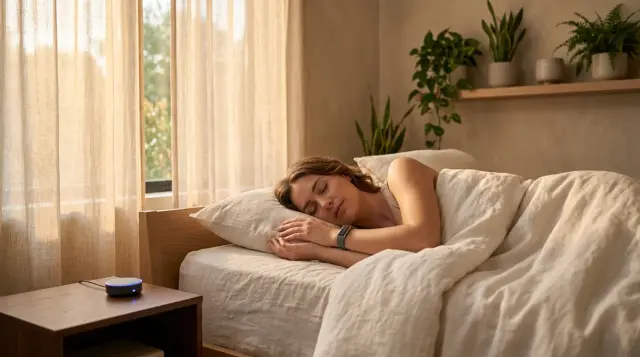
How Does a Sleep Optimization Test Actually Work?
A sleep optimization test is a structured evaluation of how you sleep, how well you sleep, and how your sleep (or lack of it) bleeds into your waking hours. Some versions are clinical, run by a sleep specialist with polysomnography equipment. Others are self-assessment questionnaires you can knock out in 5 to 10 minutes at home, answering 39 to 42 questions about your patterns and habits.
These assessments typically cover a few key areas: sleep duration, how long it takes you to fall asleep (called sleep onset latency), how often you wake during the night, your own perception of sleep quality, and daytime sleepiness. The Pittsburgh Sleep Quality Index (PSQI), developed by Dr. Daniel Buysse at the University of Pittsburgh in 1989, remains one of the most widely validated tools. It's been used in over 3,000 published studies.
Quick Q&A
Q: Do I need a doctor to take a sleep optimization test?
A: No. Many validated sleep assessments are available online for free and don't require a login or clinical referral, though they're not a substitute for a medical diagnosis.
More advanced versions, like the Orion Sleep Optimization Test offered through longevity clinics, analyze temperature rhythms and build a personalized sleep profile from biometric data. If you've never formally assessed your sleep, even a basic free test can show you patterns you didn't know were undermining your rest. For a deeper look at common sleep problems, check out Why You Can't Sleep: Practical Solutions.
The real value isn't the test itself. It's what you do afterward. A sleep quality assessment gives you a baseline. Without that baseline, you're guessing which changes to make. With it, you can target the exact spots where your nightly recovery is falling apart.
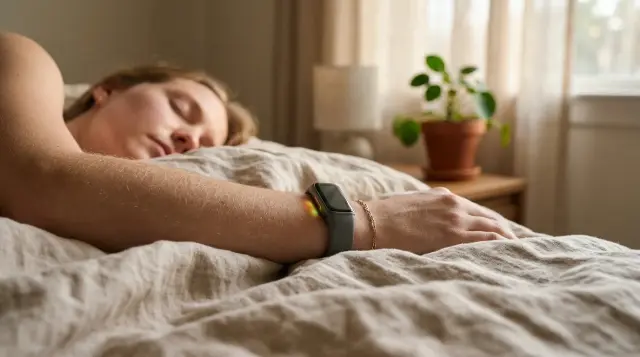
Why Is Circadian Rhythm the Foundation of Every Biohack?
Your circadian rhythm is the 24-hour internal clock that tells your body when to feel alert, when to feel drowsy, when hormones should spike, and when your core temperature should drop. It's not a suggestion. It's a command. Fight it long enough and you lose.
Research from Harvard Medical School links chronic circadian disruption to increased risk of type 2 diabetes, cardiovascular disease, obesity, and depression. Shift workers, who routinely override their circadian signals, show measurably higher rates of metabolic syndrome. Here's a striking example: a 2022 study in the Annals of Internal Medicine found that sleep-restricted participants on a calorie-controlled diet lost 55% less body fat than well-rested participants eating the exact same amount [2]. Same calories. Dramatically different outcomes. That's what circadian alignment (or misalignment) can do.
So what does circadian biohacking look like day to day? Morning sunlight exposure within the first 30 minutes of waking is one of the most effective things you can do. Dr. Andrew Huberman at Stanford has popularized this practice, explaining that early light triggers a cortisol pulse that sets your hormonal cascade for the rest of the day. No app needed. Just step outside.
On the other end of the day, reducing blue light exposure matters a lot. The NIH reports that blue light from screens suppresses melatonin production by up to 50%, directly undermining your ability to fall asleep [3]. If you're serious about protecting your circadian rest, consider building a screen-free wind-down routine. We wrote a full guide on Screen-Free Living: How to Actually Do It that walks through practical strategies.
What Role Does EMF Exposure Play in Sleep and Recovery?
This is one of the more polarizing corners of biohacking, but it deserves a serious look. Electromagnetic fields are generated by virtually every electronic device in your home, from your Wi-Fi router to your phone to your smart meter. The World Health Organization's International Agency for Research on Cancer classifies radiofrequency electromagnetic fields as Group 2B, meaning possibly carcinogenic to humans [4]. That puts them in the same category as certain pesticides.
Beyond cancer risk, a growing body of research looks at how EMF exposure affects sleep quality. A 2013 study in PLOS ONE found that participants exposed to radiofrequency EMF before sleep showed altered EEG patterns during non-REM sleep stages. Whether that translates to noticeable next-day impairment is still debated. But for people who want to control every variable they can, EMF reduction makes sense as a precautionary step.
Practical EMF biohacking doesn't mean becoming a technophobe. Simple moves help: put your phone in airplane mode at night, keep your router out of the bedroom, and consider wearing EMF-shielding clothing. Proteck'd makes this easy with their Faraday Health Collection, which uses silver-infused fabrics to block electromagnetic radiation while still looking like normal everyday clothes. For women, the Women's Wellness Collection offers options designed with both protection and style in mind.
If you're curious about the science behind EMF shielding and how it works, Proteck'd breaks it down on their EMF Health Benefits page. The bottom line: reducing electromagnetic exposure while you sleep removes one more variable that could be getting in the way of deep, restorative rest.
How Can You Biohack Nutrition and Gut Health?
Your gut isn't just where food gets digested. It's increasingly understood as a second brain. The gut-brain axis, a two-way communication network between your gastrointestinal tract and your central nervous system, influences mood, immune function, and yes, sleep. A 2019 study from the University of Colorado Boulder found that prebiotic fiber intake improved sleep quality and stress resilience in participants, as measured by shifts in gut microbiome composition.
Nutritional biohacking starts with paying attention to how specific foods affect you personally. Continuous glucose monitors (CGMs), popularized by companies like Levels Health and Nutrisense, let you see in real time how your blood sugar responds to a banana versus a piece of sourdough. The results are often surprising. What spikes one person's glucose barely registers for another.
Quick Q&A
Q: What's the easiest nutritional biohack to start with?
A: An elimination diet. Remove common inflammatory foods like gluten, dairy, and refined sugar for 30 days, then reintroduce them one at a time and track how you feel.
Time-restricted eating, often called intermittent fasting, is another well-studied nutritional biohack. Research from the Salk Institute, led by Dr. Satchidananda Panda, shows that confining food intake to a 10-hour window supports circadian rhythm alignment and metabolic health. You don't need a complicated protocol. Just stop eating three hours before bed and notice how your sleep changes. For a full breakdown of gut health strategies, read our Gut Health: The Complete Guide.
Does Meditation Count as Biohacking?
Yes. And honestly, it might be the most underrated biohack there is. Meditation isn't just sitting quietly and hoping something happens. It's a measurable intervention that physically changes your brain over time. Research from Massachusetts General Hospital, published in 2011, used MRI scans to show that eight weeks of mindfulness meditation increased gray matter density in brain regions tied to learning, memory, and emotional regulation.
For sleep specifically, meditation helps quiet the hyperarousal state that keeps so many people staring at the ceiling. Racing thoughts, stress about tomorrow, replaying that awkward conversation from earlier. These are all signs of an overactive sympathetic nervous system. Meditation activates the parasympathetic side, shifting your body toward rest and recovery.
A randomized clinical trial published in JAMA Internal Medicine in 2015 found that mindfulness meditation improved sleep quality in older adults at levels comparable to structured sleep hygiene education. That's a striking result for something that costs nothing and can be done anywhere. If you're new to the practice, our Meditation: The Complete Guide covers everything from breathing techniques to building a consistent habit.
The biohacking angle on meditation is about stacking it with other interventions. Pair a 10-minute evening session with blue light blocking, a cool bedroom (around 65°F, as the Sleep Foundation recommends), and an EMF-reduced environment. Now you've got a sleep protocol that addresses multiple variables at once.
What Are the Most Popular Biohacking Protocols in 2024?
Cold exposure has gone fully mainstream, thanks largely to Wim Hof and the growing research backing it up. A 2022 meta-analysis in the British Journal of Sports Medicine confirmed that cold water immersion reduces muscle soreness after exercise and may boost mood through norepinephrine release. You don't need a $5,000 cold plunge tub. Two minutes of cold water at the end of your shower will do.
Red light therapy is another protocol picking up momentum. Also called photobiomodulation, it uses specific wavelengths of red and near-infrared light to stimulate mitochondrial function. NASA originally studied it for wound healing in astronauts. Since then, peer-reviewed research has broadened its applications to skin health, joint pain, and even cognitive performance. Home devices from Joovv and other brands have made it accessible.
Heart rate variability (HRV) tracking has become a standard biohacking metric. HRV measures the variation in time between heartbeats and acts as a proxy for nervous system resilience. Higher HRV generally means better stress adaptability and stronger recovery. Devices like the Oura Ring and WHOOP band track it during sleep, giving you a nightly snapshot of how well your body bounced back. Think of it as a sleep assessment you get automatically every morning.
Then there's the sleep optimization test itself, which ties all these protocols together. Without knowing your sleep baseline, you can't tell whether cold exposure, meditation, or anything else is actually improving your nightly recovery. The test is the diagnostic. Everything else is the treatment.
How Do You Build a Biohacking Routine That Actually Sticks?
The biggest mistake people make with biohacking is trying everything at once. They buy the red light panel, the cold plunge, the HRV tracker, and a pile of supplements on the same weekend. Two weeks later, all of it is collecting dust. Sound familiar?
A better approach: the one-variable method. Pick one thing. Do it consistently for 30 days. Measure the results. Then add the next thing. For example, start with a sleep quality assessment to get your baseline. Spend the first month implementing whatever that assessment reveals, whether it's adjusting your bedtime, blocking blue light, or cutting caffeine after noon.
Month two, layer in a morning routine that includes sunlight exposure and a short meditation. Month three, experiment with cold exposure or time-restricted eating. Each addition builds on the last. And because you're changing one thing at a time, you'll actually know what's working and what's just noise.
In my experience, the biohacks with the highest return on effort are the boring ones. Consistent sleep and wake times. Morning sunlight. Less screen time before bed. Wearing EMF-shielding clothing from Proteck'd's Faraday line while sleeping. None of it is flashy, but these habits compound over weeks and months into results that genuinely surprise you. Biohacking isn't about one big dramatic move. It's about dozens of small, smart ones stacked on top of each other.
Frequently Asked Questions
A sleep optimization test is a structured assessment that evaluates your sleep patterns, duration, onset latency, nighttime awakenings, and daytime sleepiness. Some are clinical, using polysomnography in a sleep lab. Others are free self-assessment questionnaires you can take online in about 5 to 10 minutes. The results give you a personalized baseline so you know exactly where to focus your efforts.
Most self-assessment versions take 5 to 10 minutes and involve 39 to 42 questions about your sleep habits and how you feel during the day. Clinical versions that use overnight polysomnography require a full night at a sleep lab. At-home wearable-based tests, like those using the Oura Ring, collect data passively over several nights with no extra effort on your part.
Biohacking for beginners means making simple, measurable changes to your daily routine and tracking the results. Start with sleep: take a sleep assessment, set a consistent bedtime, block blue light in the evening, and get morning sunlight. These cost nothing and have the strongest evidence behind them. Once your sleep is solid, you can branch out into nutrition, cold exposure, and other protocols.
The research is still developing, but some studies show that radiofrequency EMF exposure alters EEG patterns during non-REM sleep. The WHO classifies RF electromagnetic fields as Group 2B, or possibly carcinogenic. Many biohackers reduce exposure during sleep as a precaution by switching to airplane mode, moving routers out of the bedroom, or wearing EMF-shielding clothing like Proteck'd's Faraday collection.
In some cases, yes. A 2015 randomized trial published in JAMA Internal Medicine found that mindfulness meditation improved sleep quality in older adults at levels comparable to structured sleep hygiene education. Meditation dials down the sympathetic nervous system arousal that keeps people awake. It won't replace medical treatment for diagnosed sleep disorders, but it's a powerful free tool for general sleep improvement.
Common signs include trouble falling asleep at a regular time, waking up tired despite spending enough hours in bed, afternoon energy crashes, and feeling more alert late at night than in the morning. A sleep assessment can help put numbers to the problem. Shift workers and frequent travelers are especially prone to circadian disruption.
The Oura Ring and WHOOP band are the most popular consumer-grade sleep trackers in the biohacking community. Both measure HRV, sleep stages, and body temperature trends overnight. The Oura Ring tends to be better for passive sleep tracking, while WHOOP leans more toward strain and recovery metrics. Either one provides the kind of data a basic sleep quality assessment offers, but continuously and automatically.
Cold exposure is generally safe for healthy adults, but people with cardiovascular conditions, Raynaud's disease, or who are pregnant should talk to a doctor first. Start small with 30-second cold finishes in the shower before working your way up. Dr. Susanna Søberg's research suggests that as little as 11 minutes total per week of cold exposure is enough for measurable benefits.
Magnesium glycinate, L-theanine, and apigenin are the three most commonly recommended sleep supplements in biohacking circles. Magnesium glycinate has evidence for reducing sleep onset latency, L-theanine promotes relaxation without sedation, and apigenin (found in chamomile) acts as a mild calming agent. Always try lifestyle changes first and check with a healthcare provider before adding supplements.
Standard health advice tends to be one-size-fits-all: eat your vegetables, exercise 150 minutes a week, sleep 7 to 9 hours. Biohacking takes that foundation and personalizes it with data. Instead of following generic guidelines, you're running a sleep optimization test on yourself, tracking how your blood sugar reacts to specific meals, and measuring your HRV to see how your nervous system handles different stressors. It's the difference between following a printed map and using GPS.
References
- National Institutes of Health (Trends in Biotechnology) – The biohacking movement reflects a broader cultural shift toward personalized health optimization where individuals take ownership of biological data.
- Annals of Internal Medicine (2022 sleep and fat loss study) – Sleep-restricted participants on a calorie-controlled diet lost 55% less body fat compared to well-rested participants eating the same amount.
- National Institutes of Health (blue light and melatonin) – Blue light from screens suppresses melatonin production by up to 50%, directly undermining sleep onset.
- WHO International Agency for Research on Cancer – The WHO classifies radiofrequency electromagnetic fields as Group 2B, possibly carcinogenic to humans.
About the Author
Proteck'd EMF Apparel
Health & EMF Specialists
The Proteck'd team covers EMF protection, silver-fiber apparel, and practical ways to reduce everyday radiation exposure. Every piece Proteck'd ships is designed, tested, and worn by the people who build it.
Protect Yourself Today
Proteck'd Faraday and silver fiber apparel is engineered to shield your body from everyday EMF exposure. Built for real life, tested for real results.
Shop EMF Protection →✓30-day returns✓Free shipping✓Free returns✓Silver fiber shielding


Leave a comment